





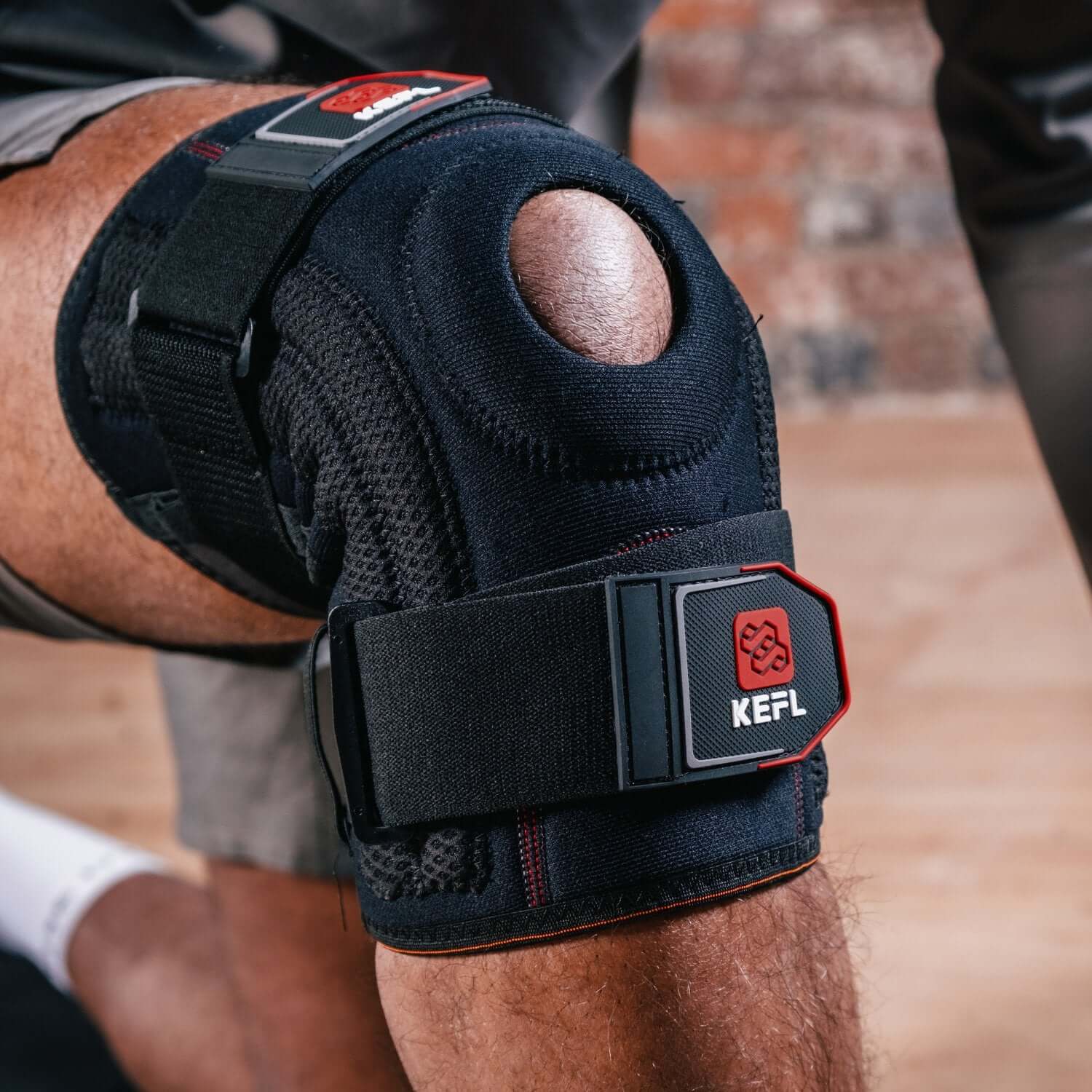
Discover the KEFL Universe.
We're here for lifters, movers and doers.
Discover the KEFL Universe.
We're here for lifters, movers and doers.
Welcome to KEFL, where fitness is within reach for everyone. We strongly believe that exercise can have a positive impact on people's lives, regardless of their skill level or background. Our products and services are designed to inspire and empower individuals on their fitness journey, and celebrate their successes.
Best Sellers
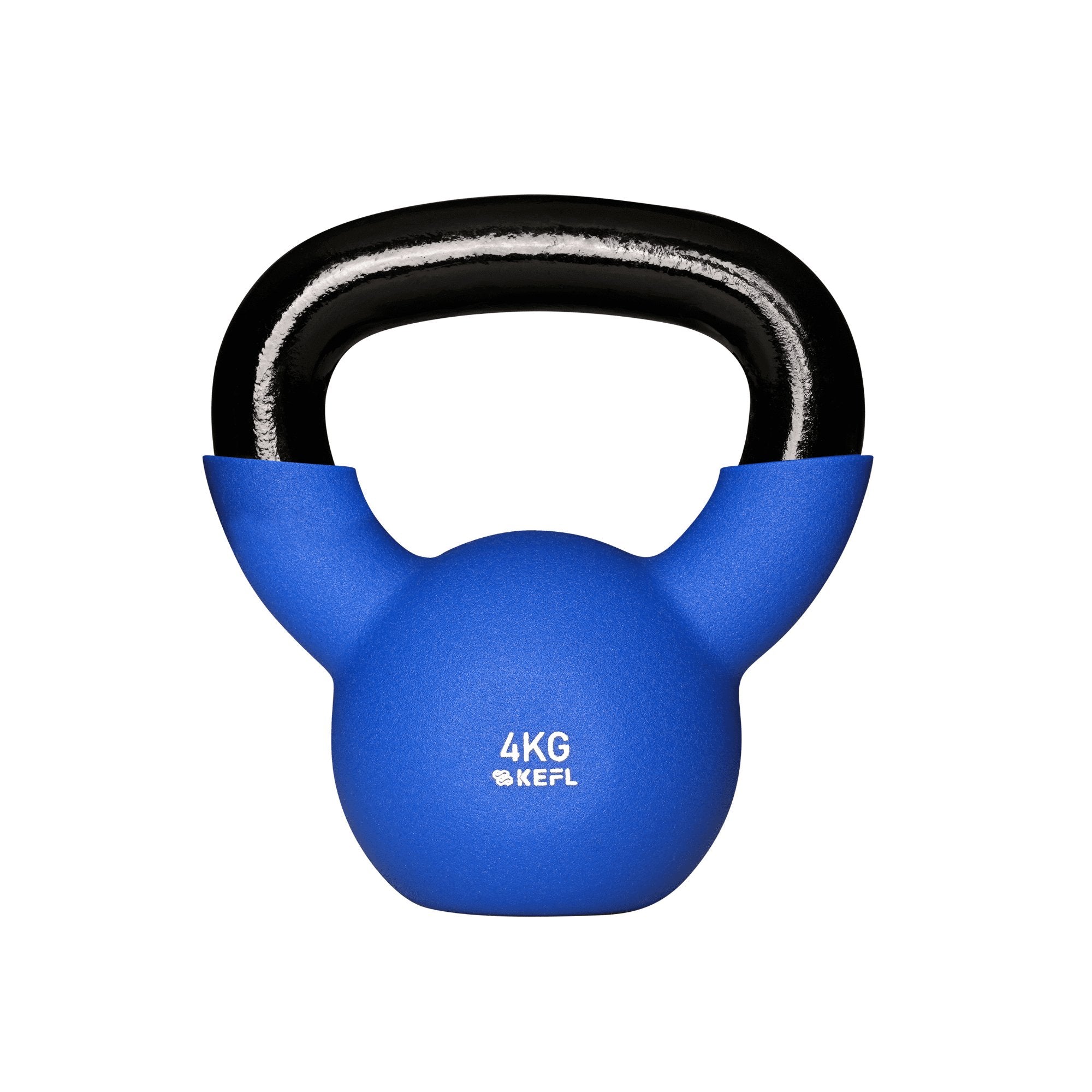
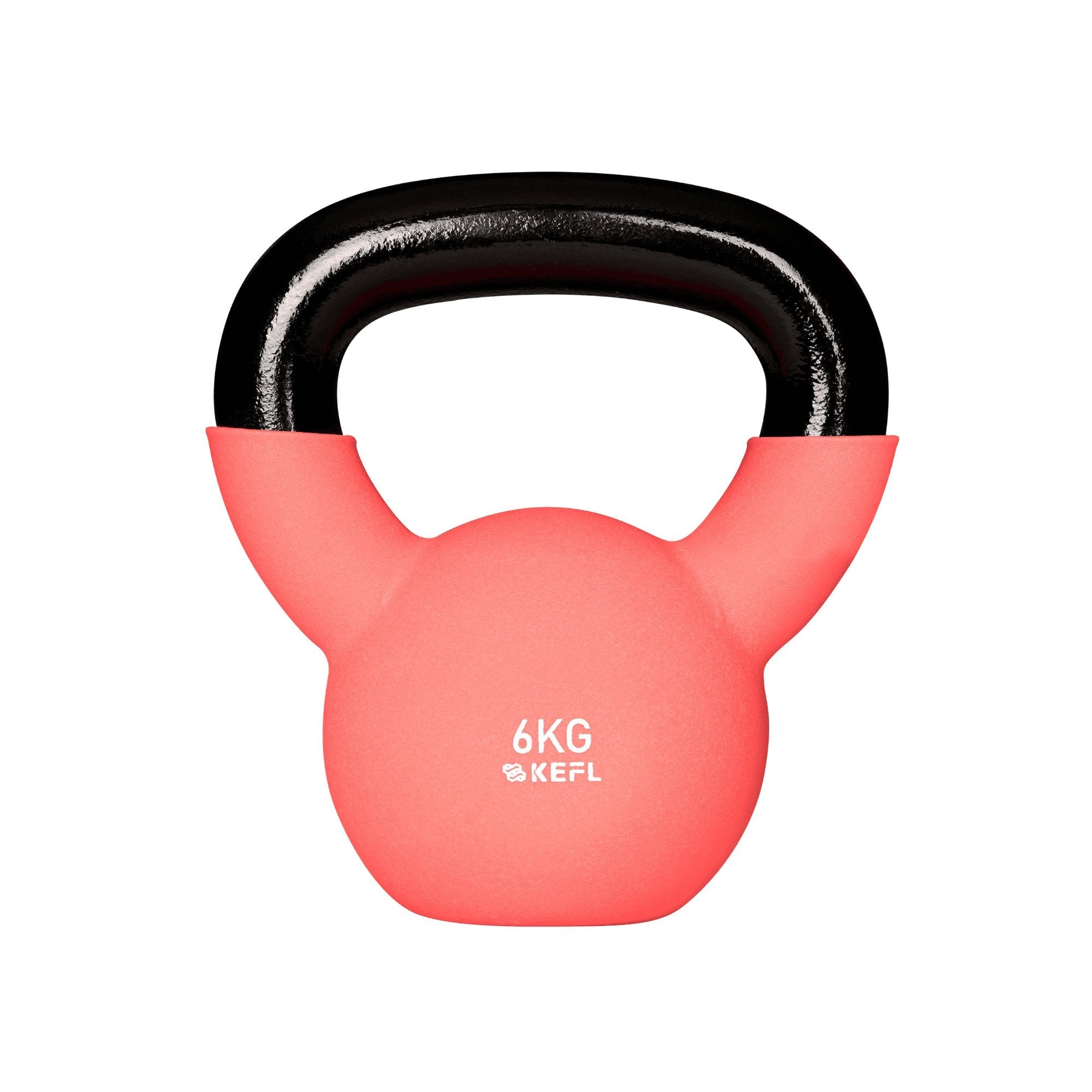
KEFL Sports Neoprene Kettlebell - Colour Coded
Choose your option
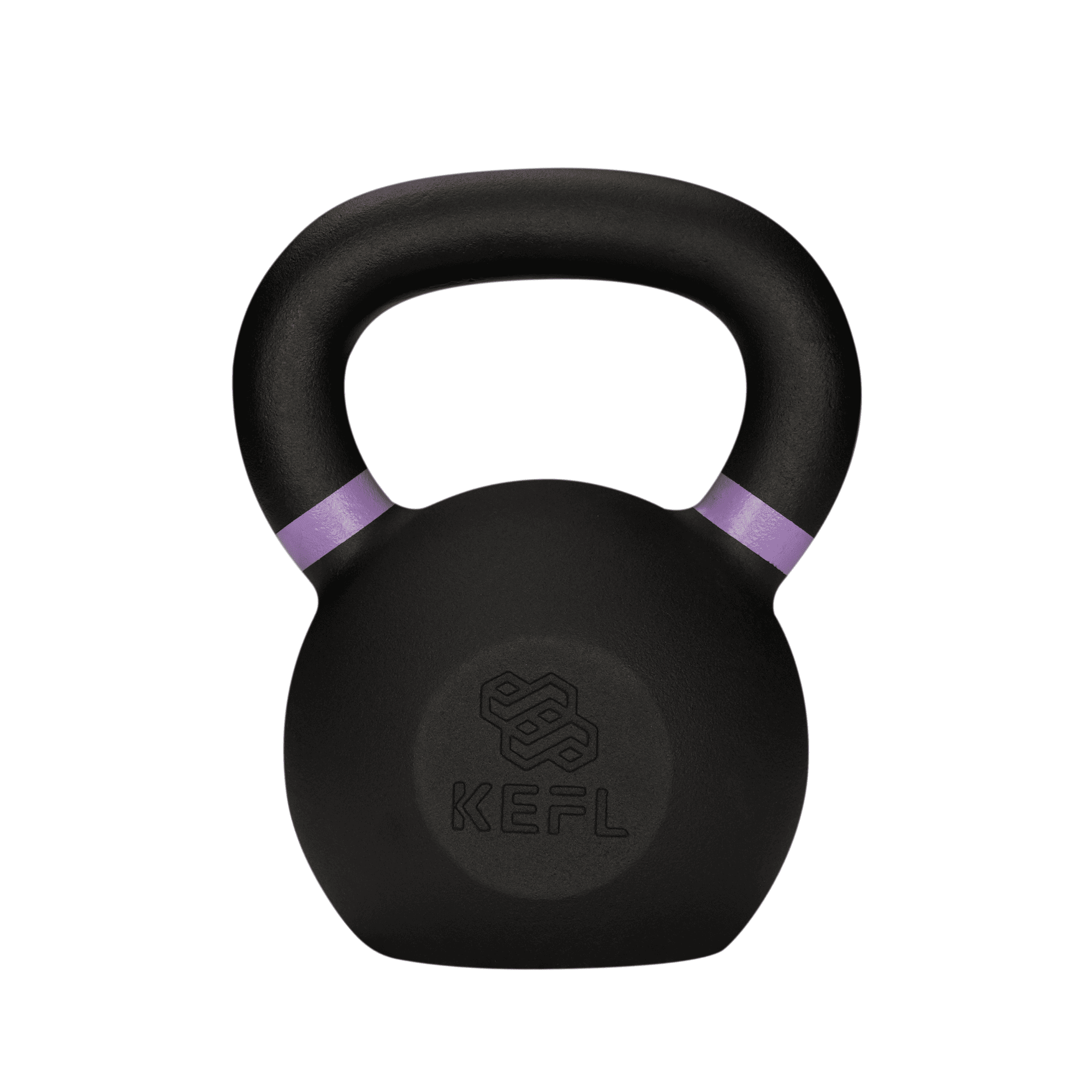
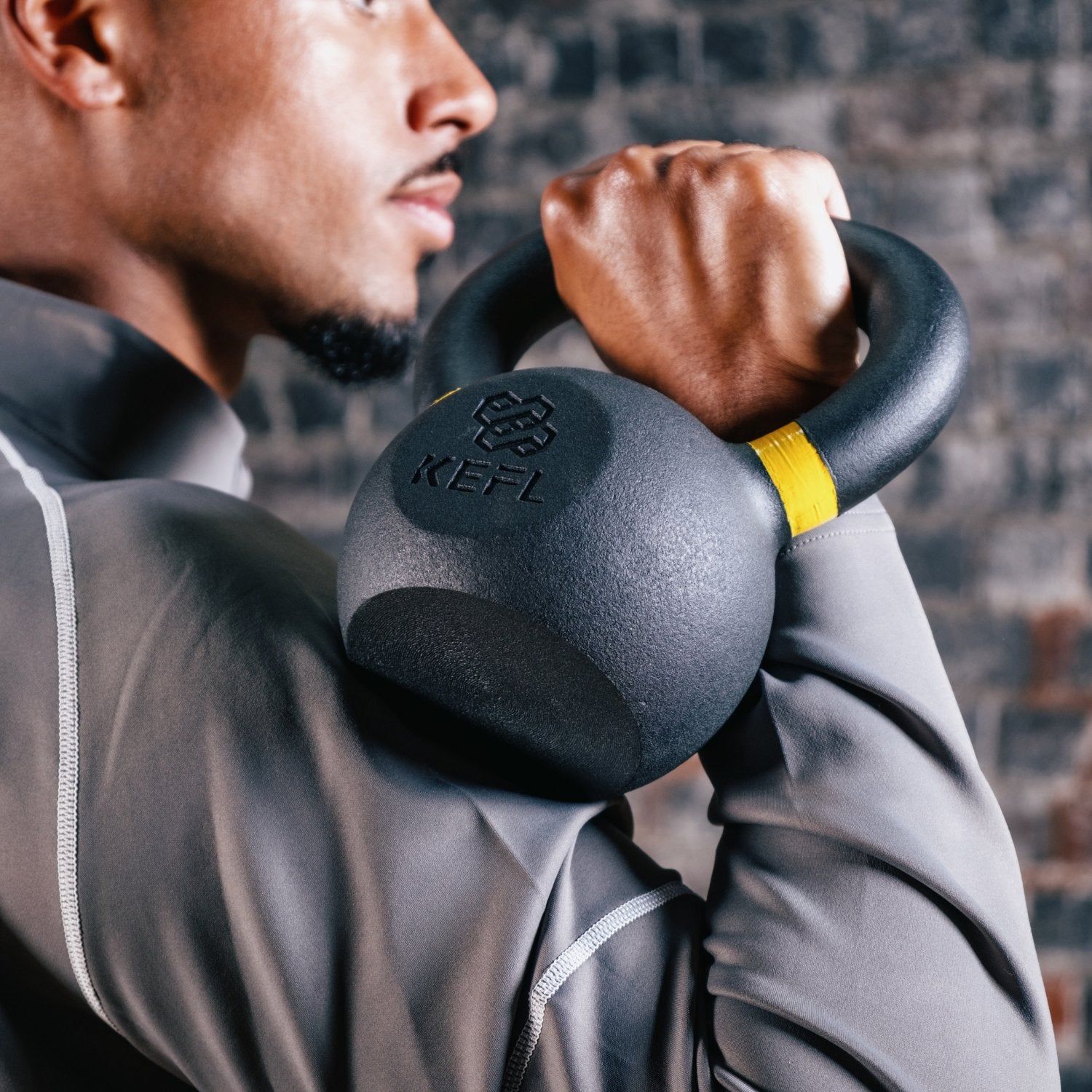
KEFL Colour Coded Cast Iron Kettlebell
Choose your option
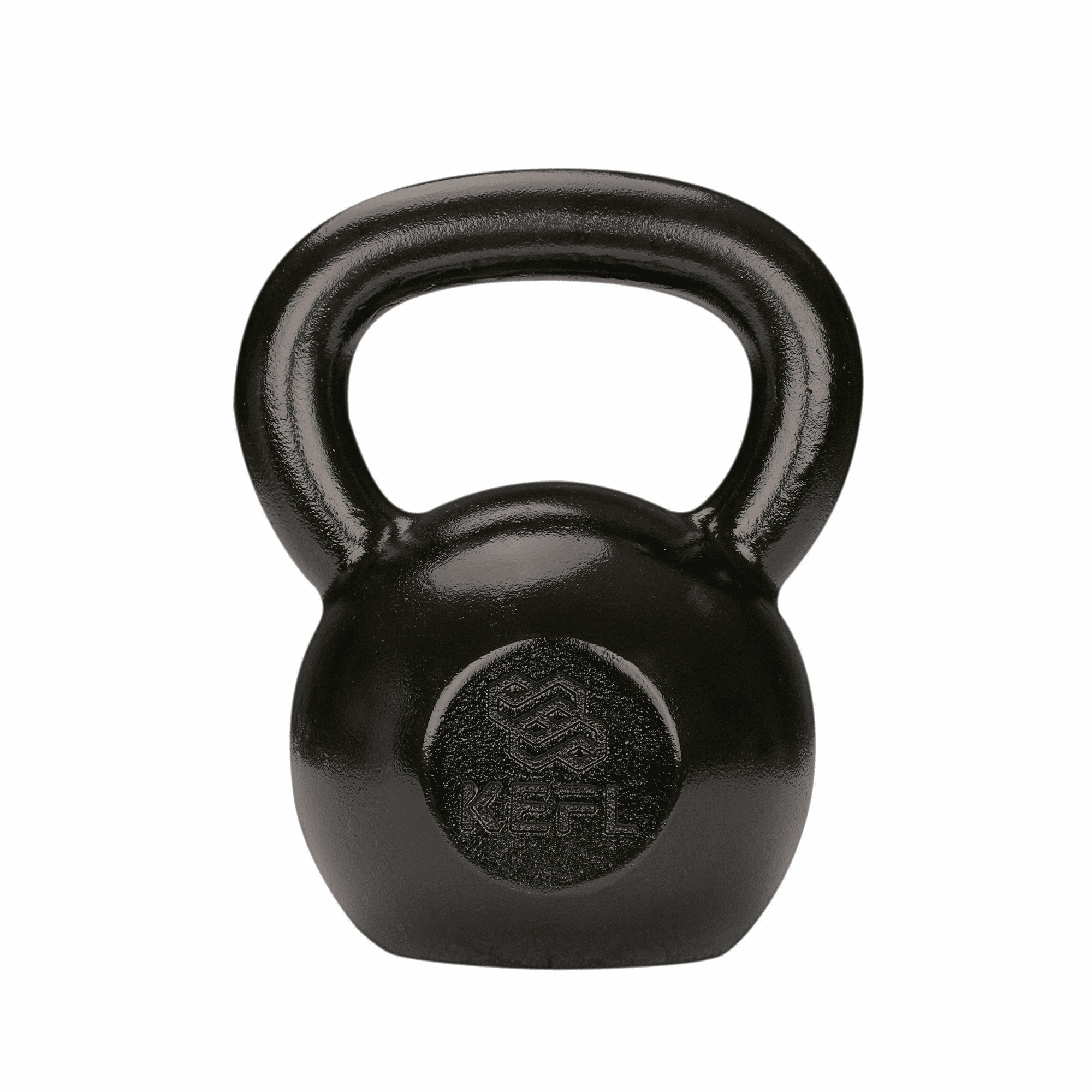
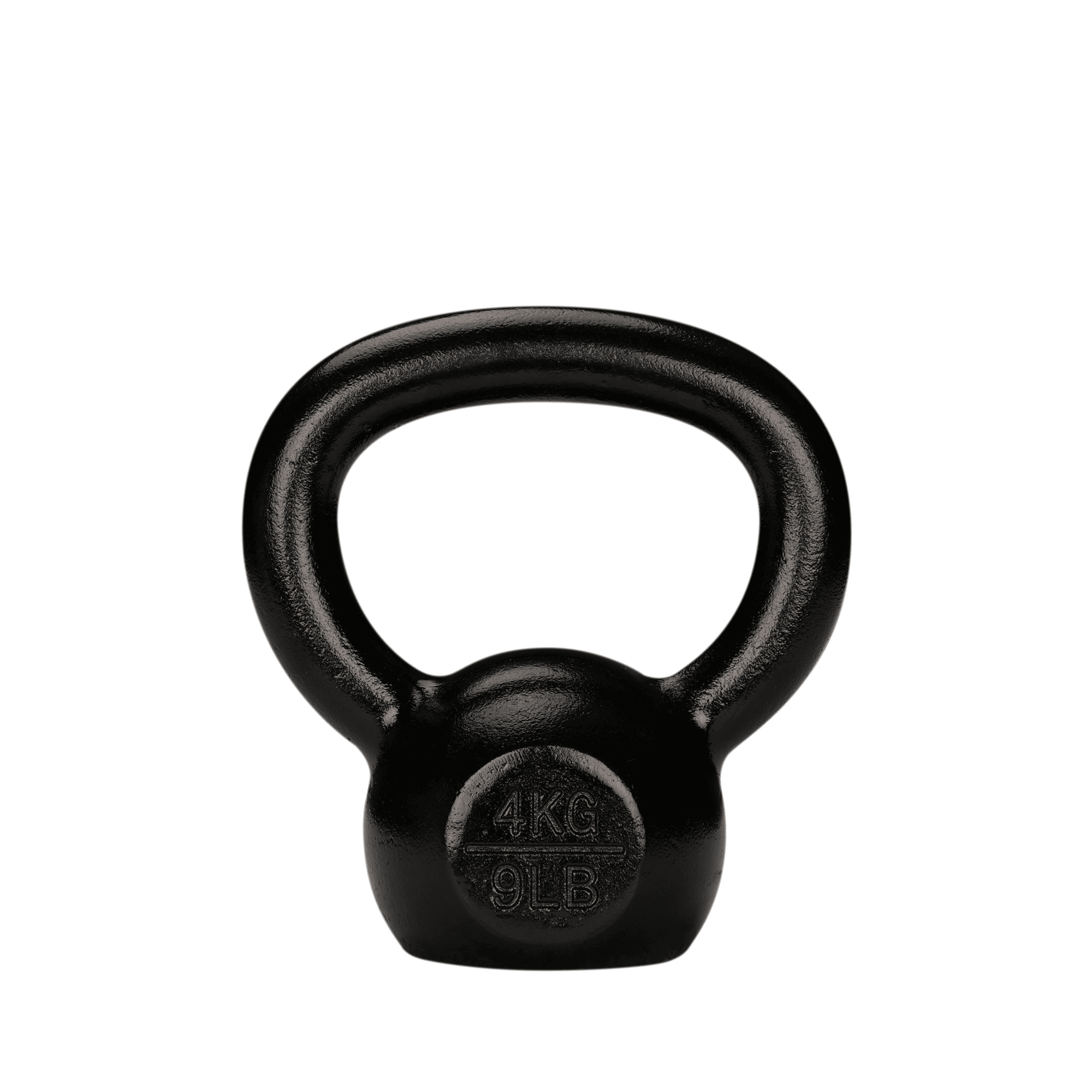
KEFL Cast Iron Kettlebells
Choose your option
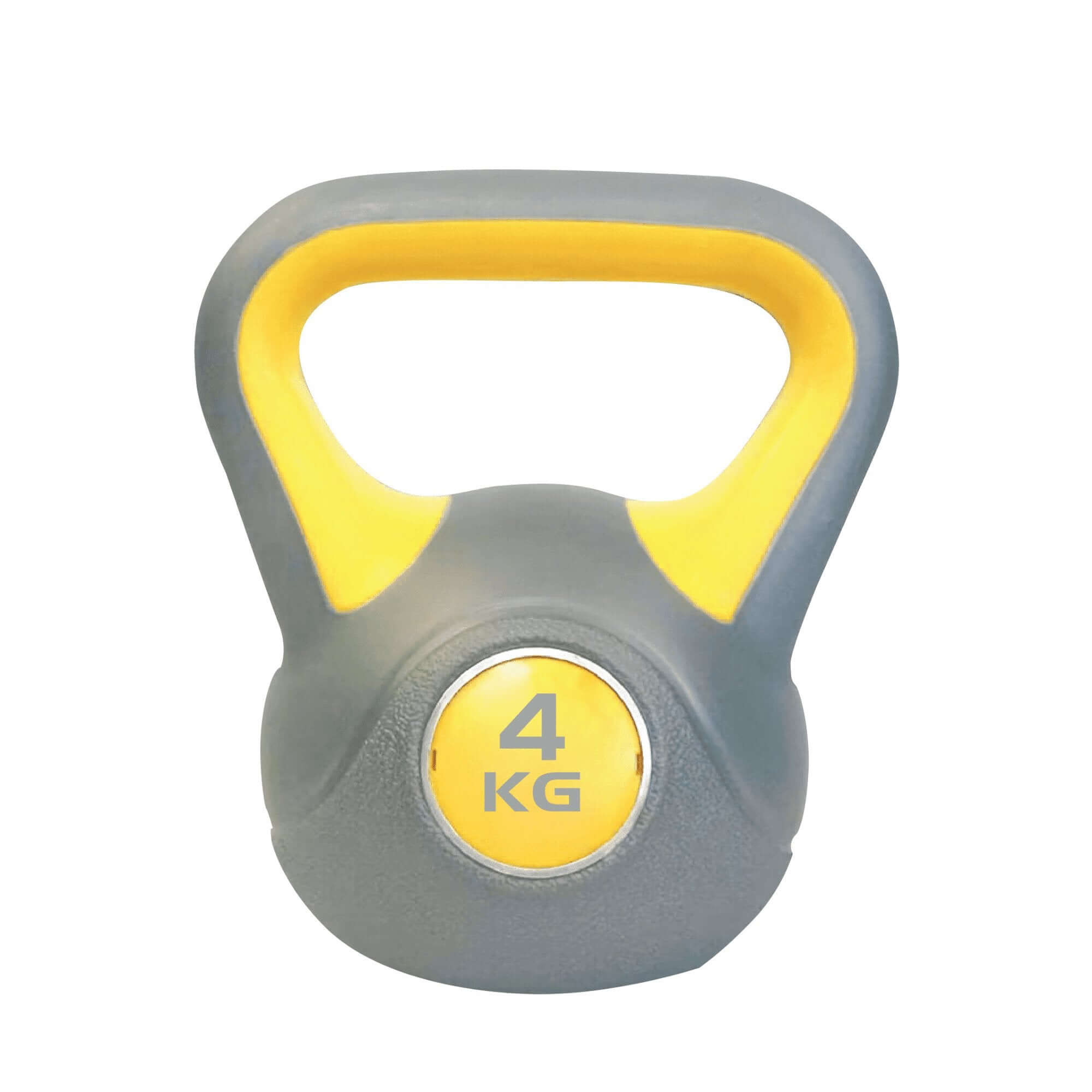
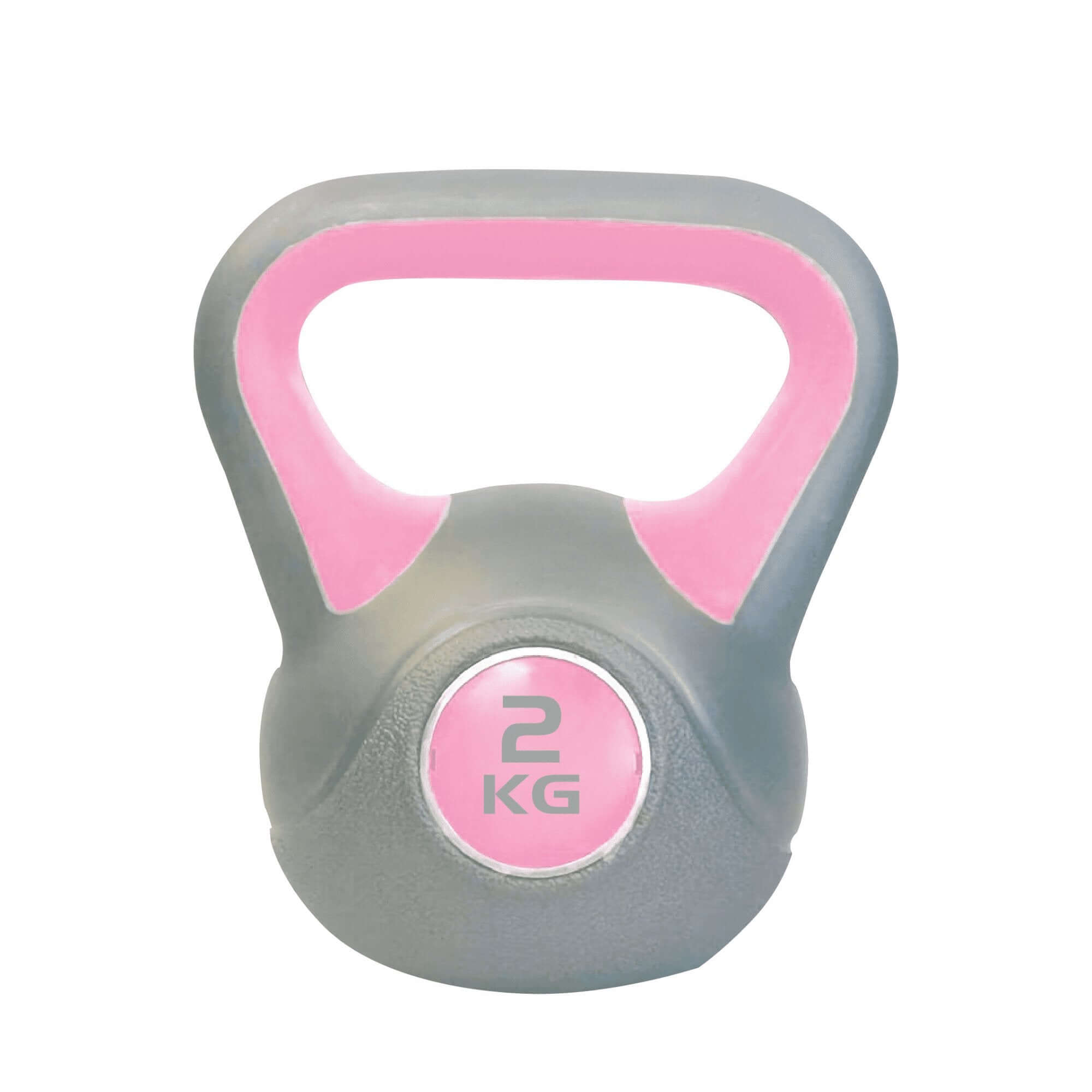
KEFL Vinyl Kettlebell 2KG - 20KG
Choose your option
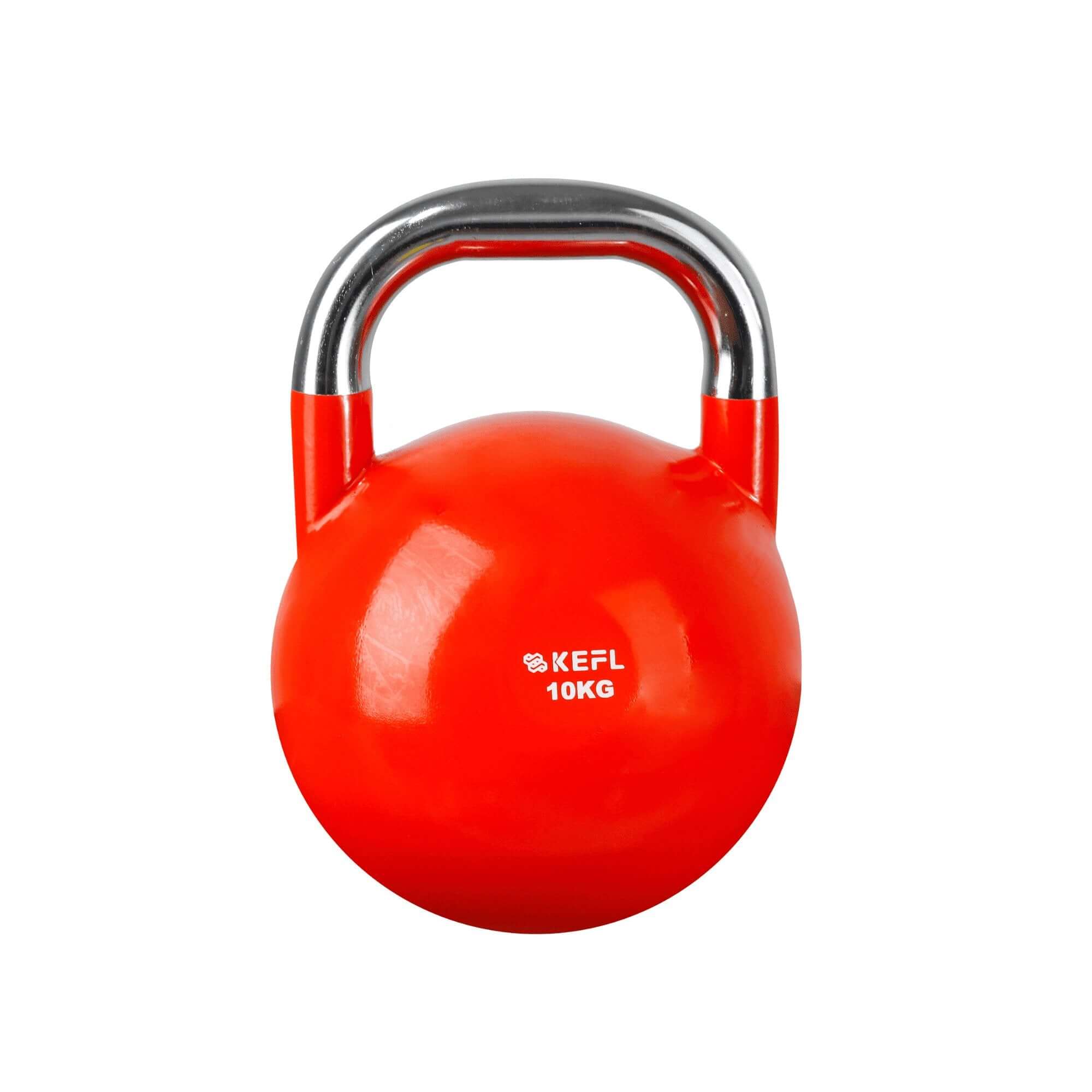
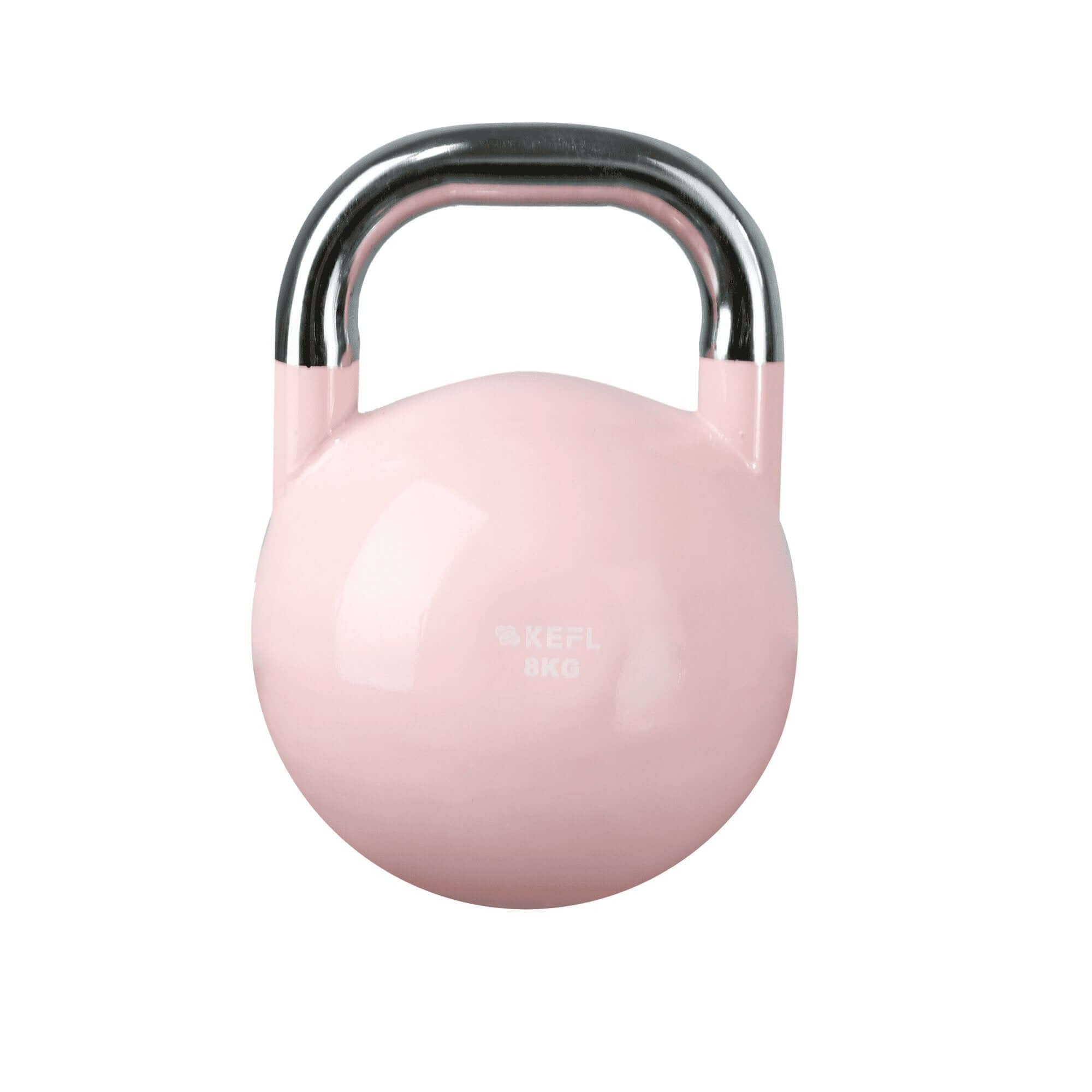
KEFL Competition Kettlebell
Choose your option
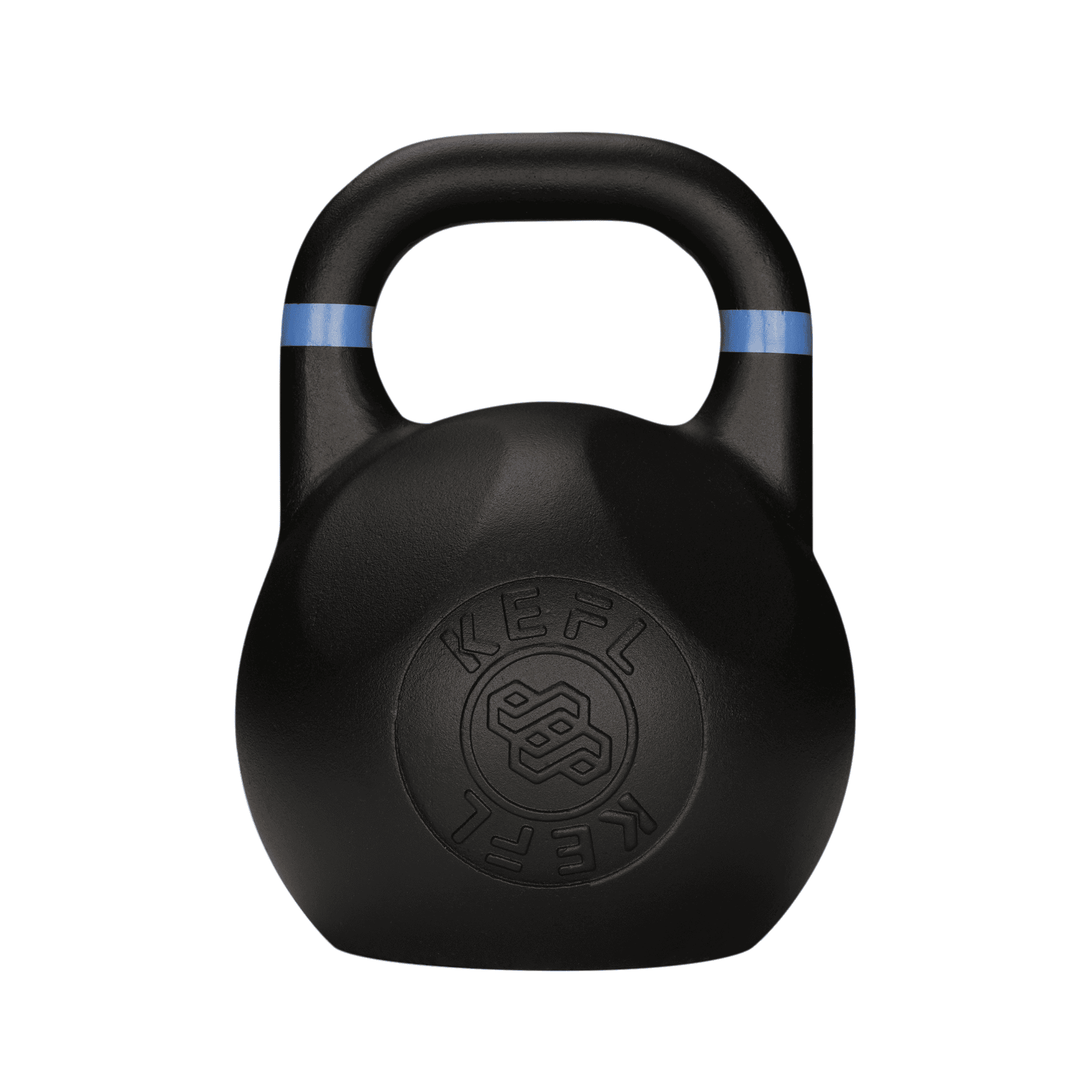
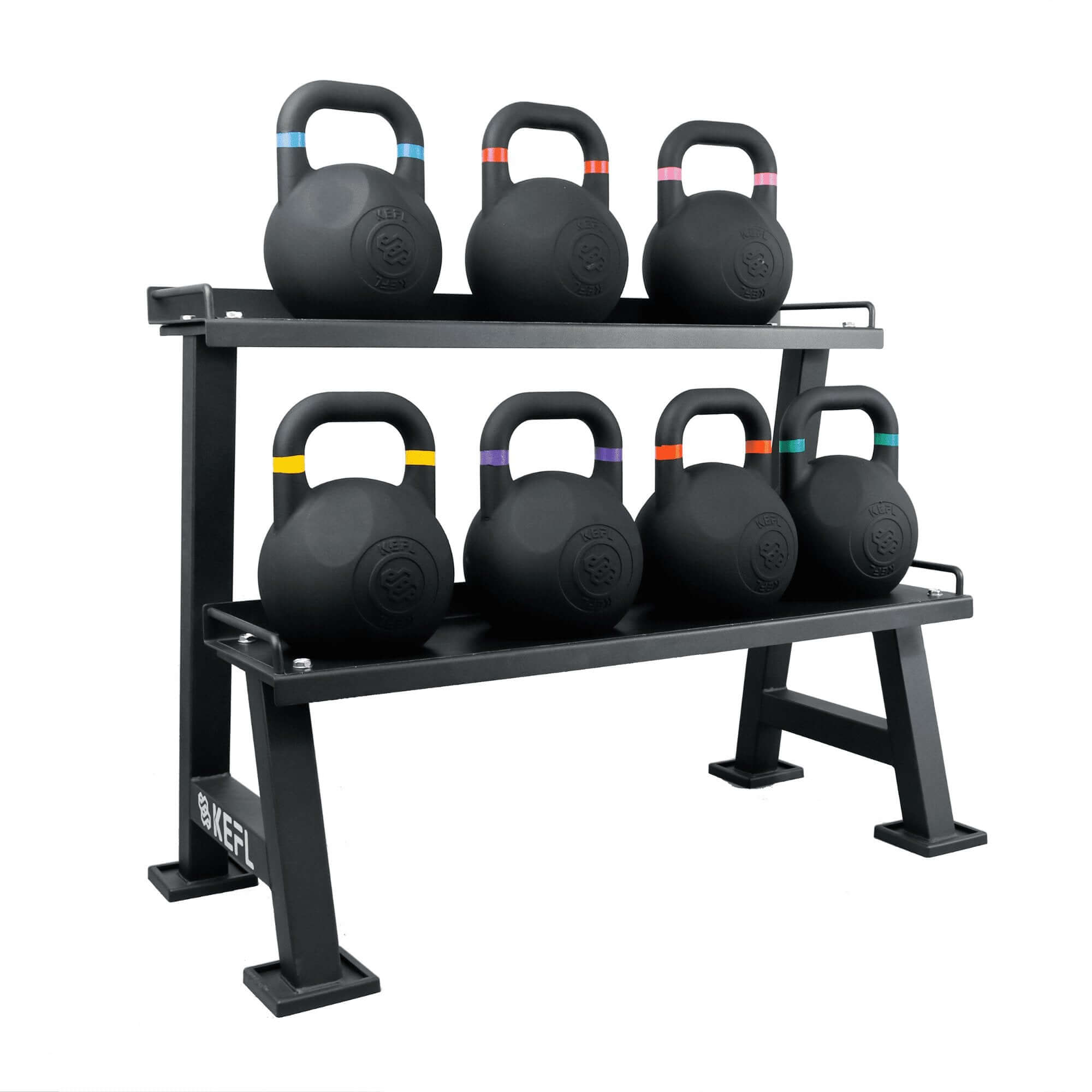
KEFL Competition Colour Coded Cast Iron Kettlebell
Choose your option
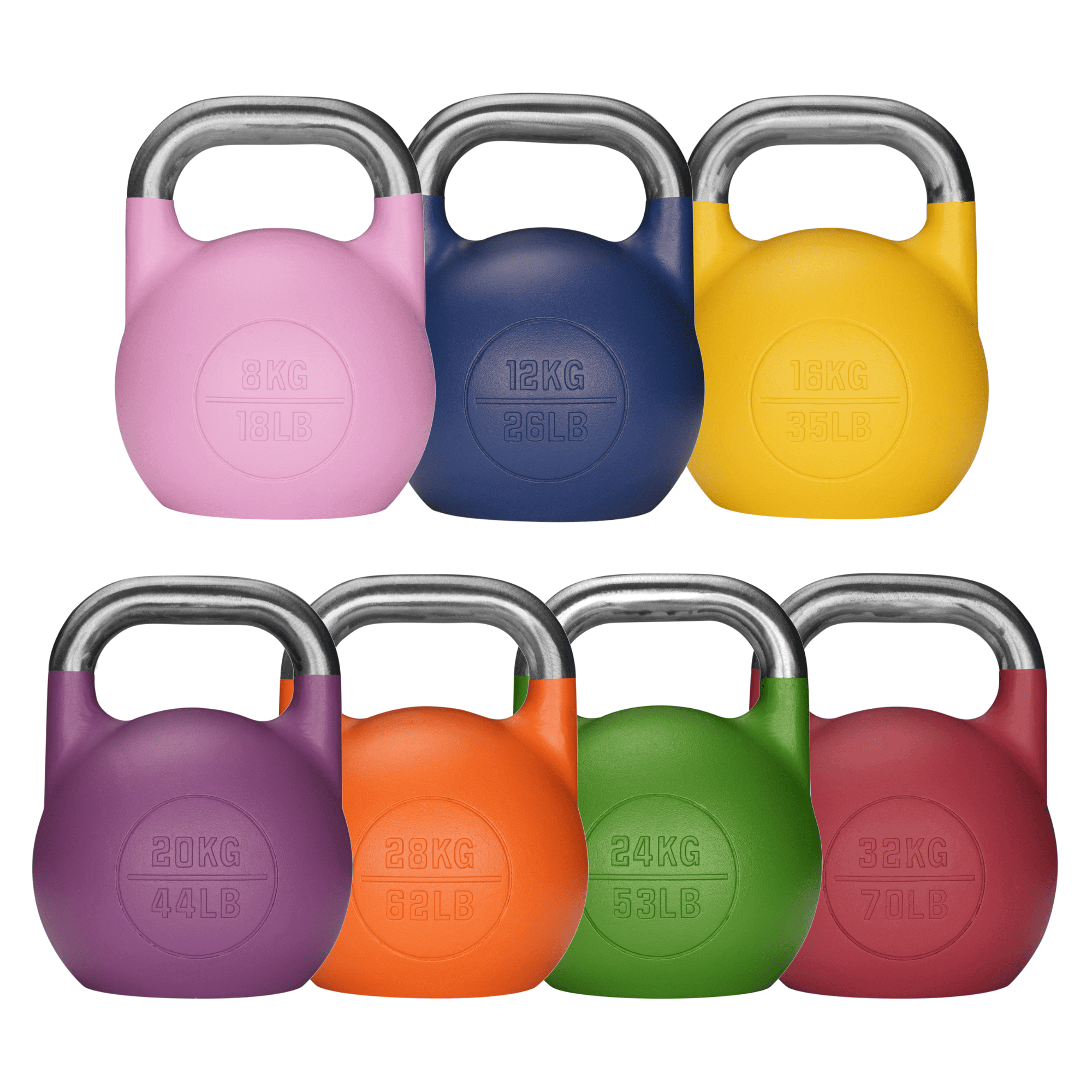
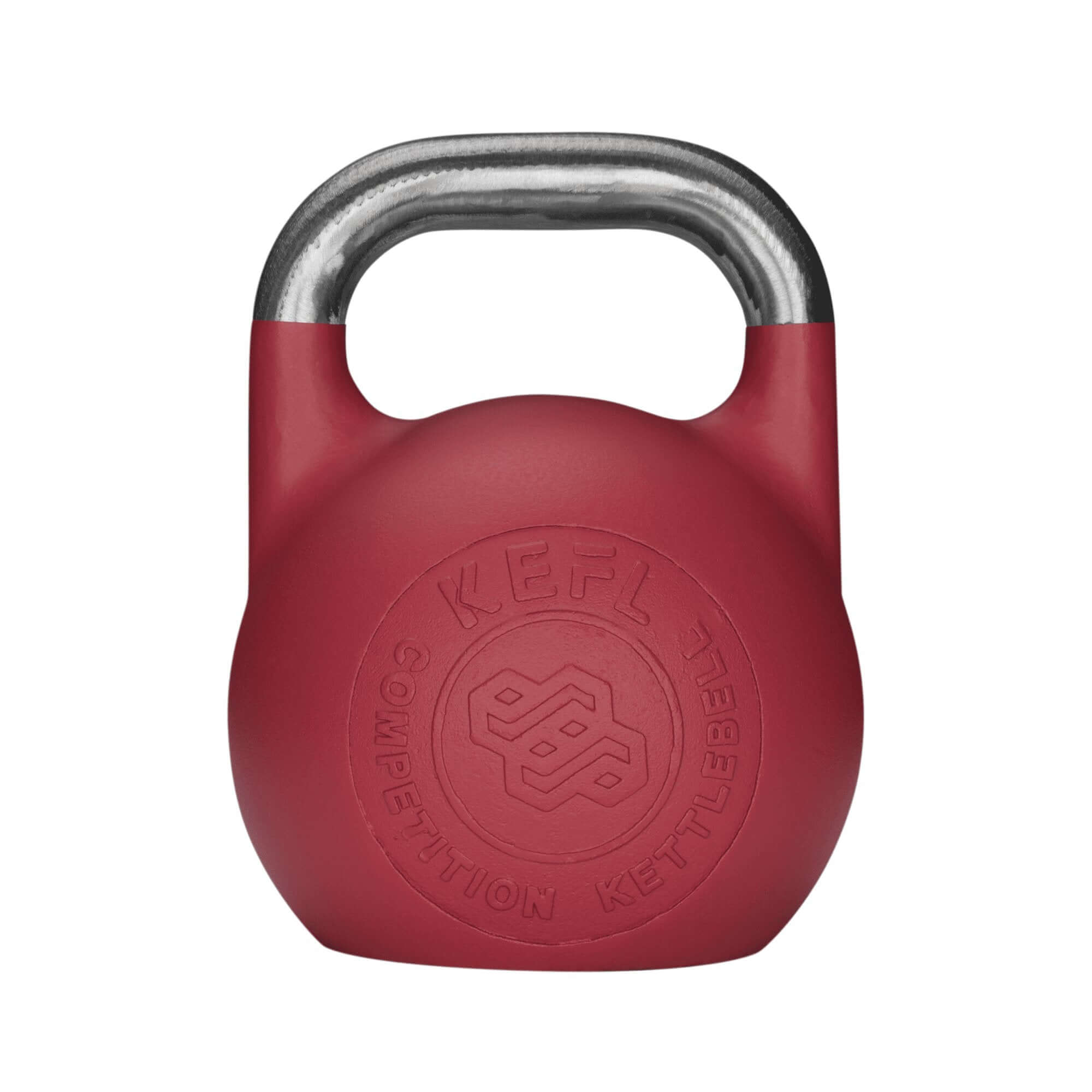
KEFL Competition Kettlebells with Stainless Handles
Choose your option
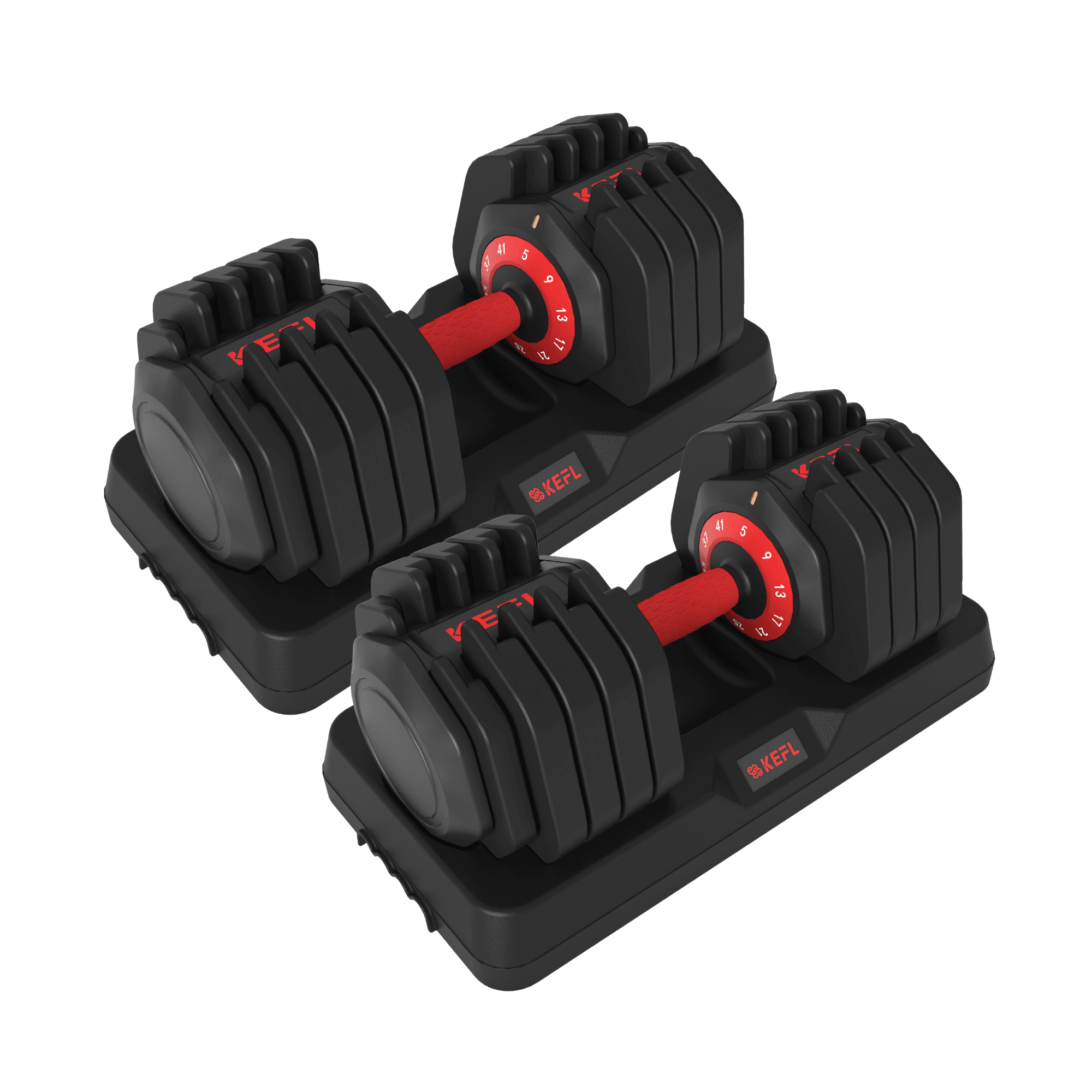
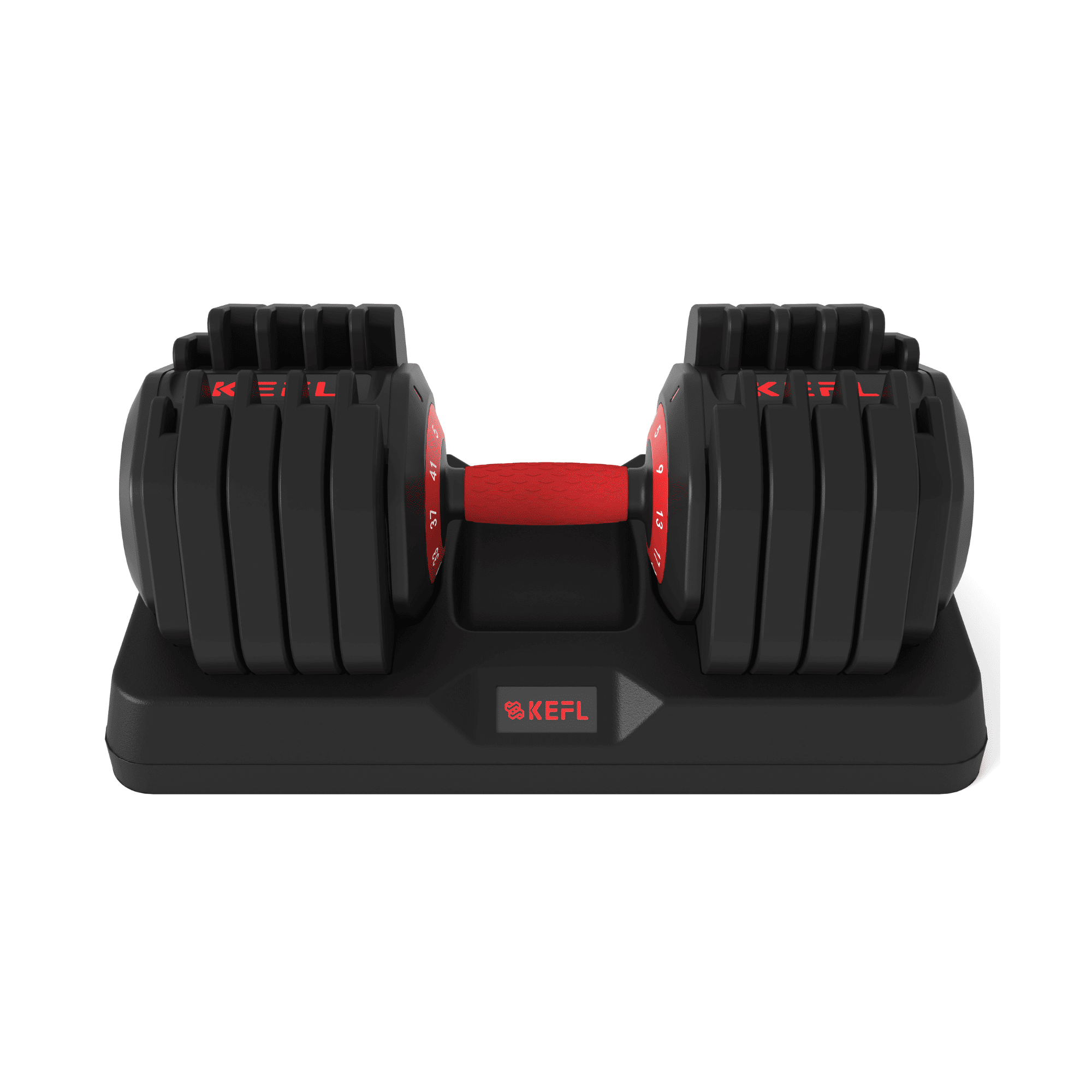
KEFL 41KG Premium Quick Dial Adjustable Dumbbell Pair
Choose your option
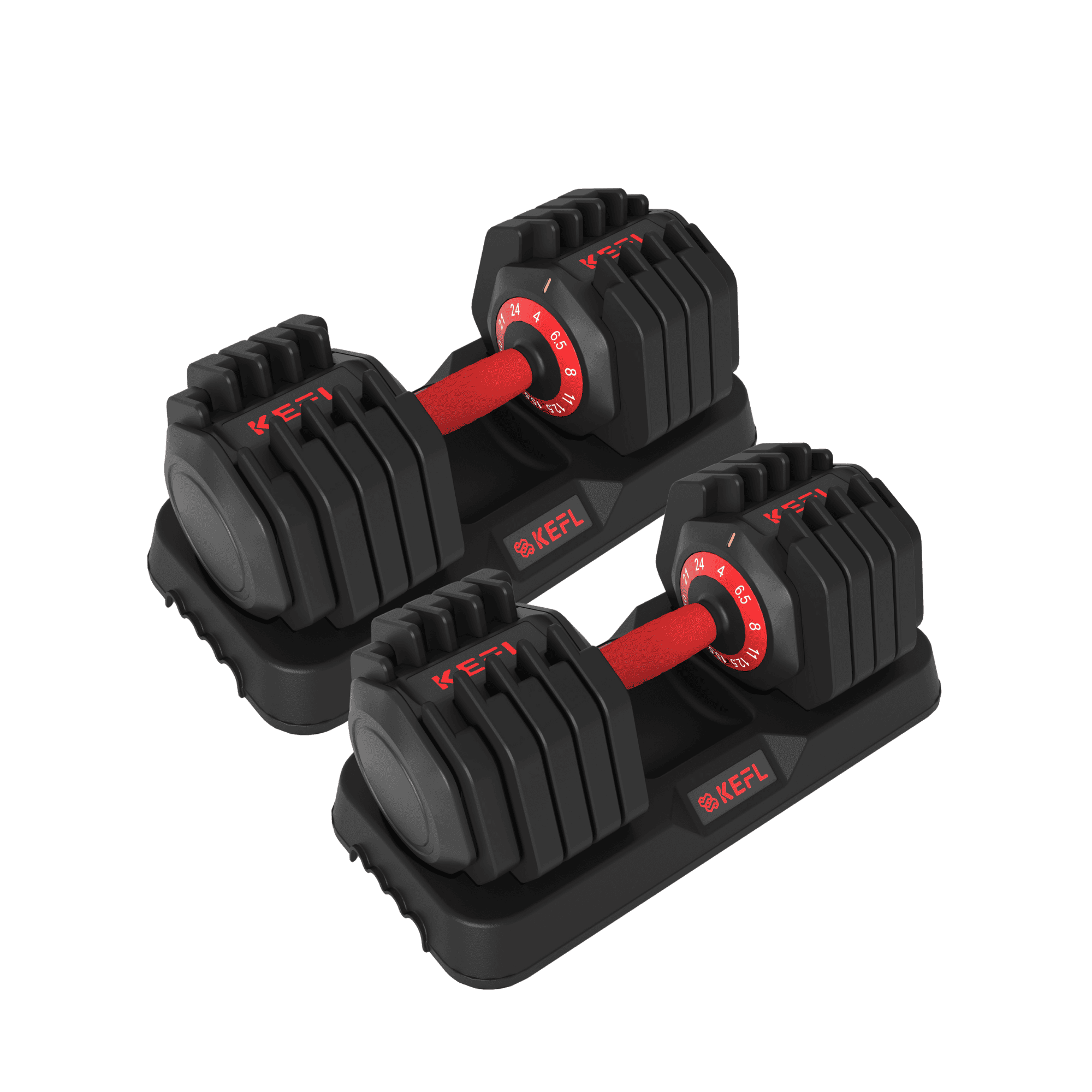
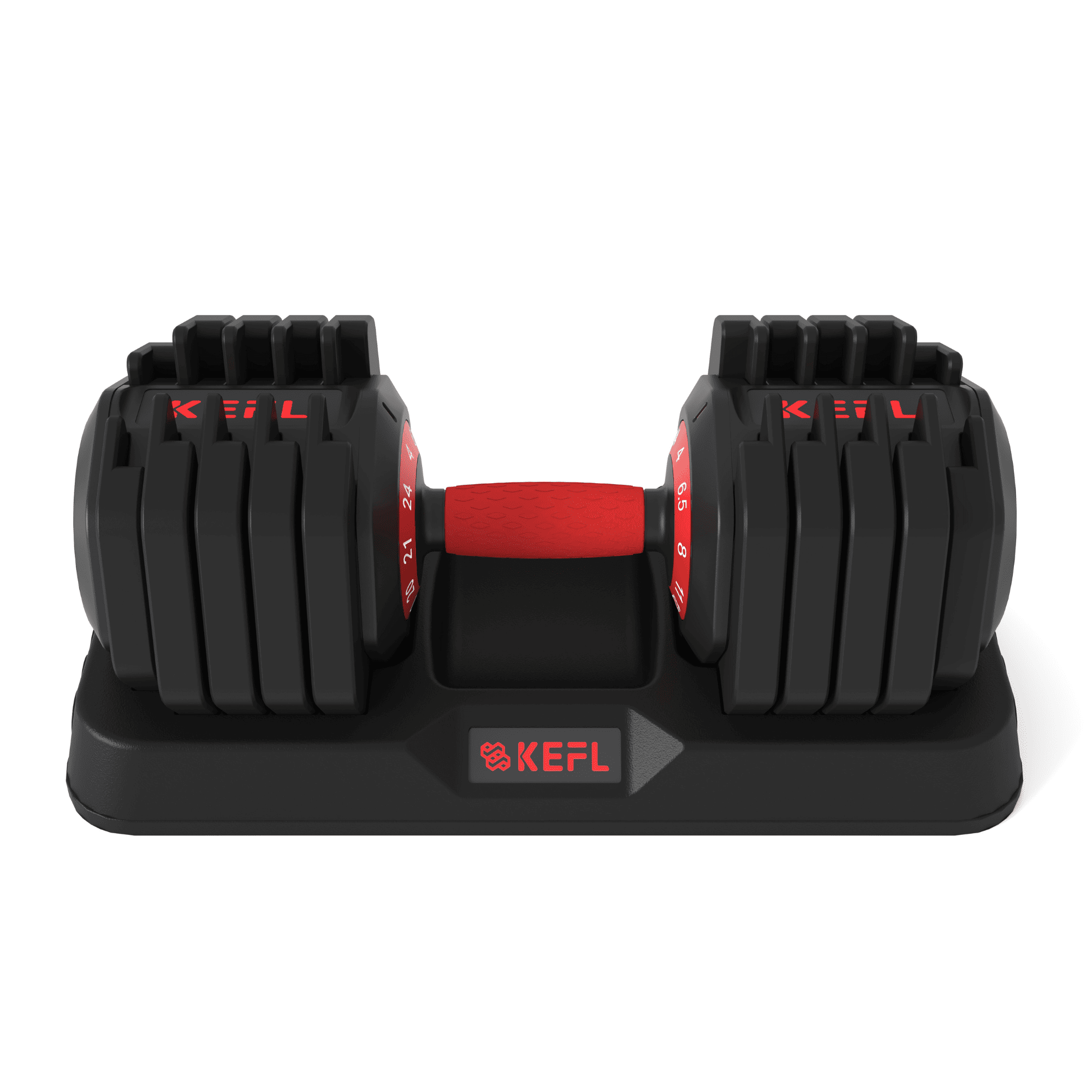
KEFL 24KG Premium Quick Dial Adjustable Dumbbell Pair
Choose your option
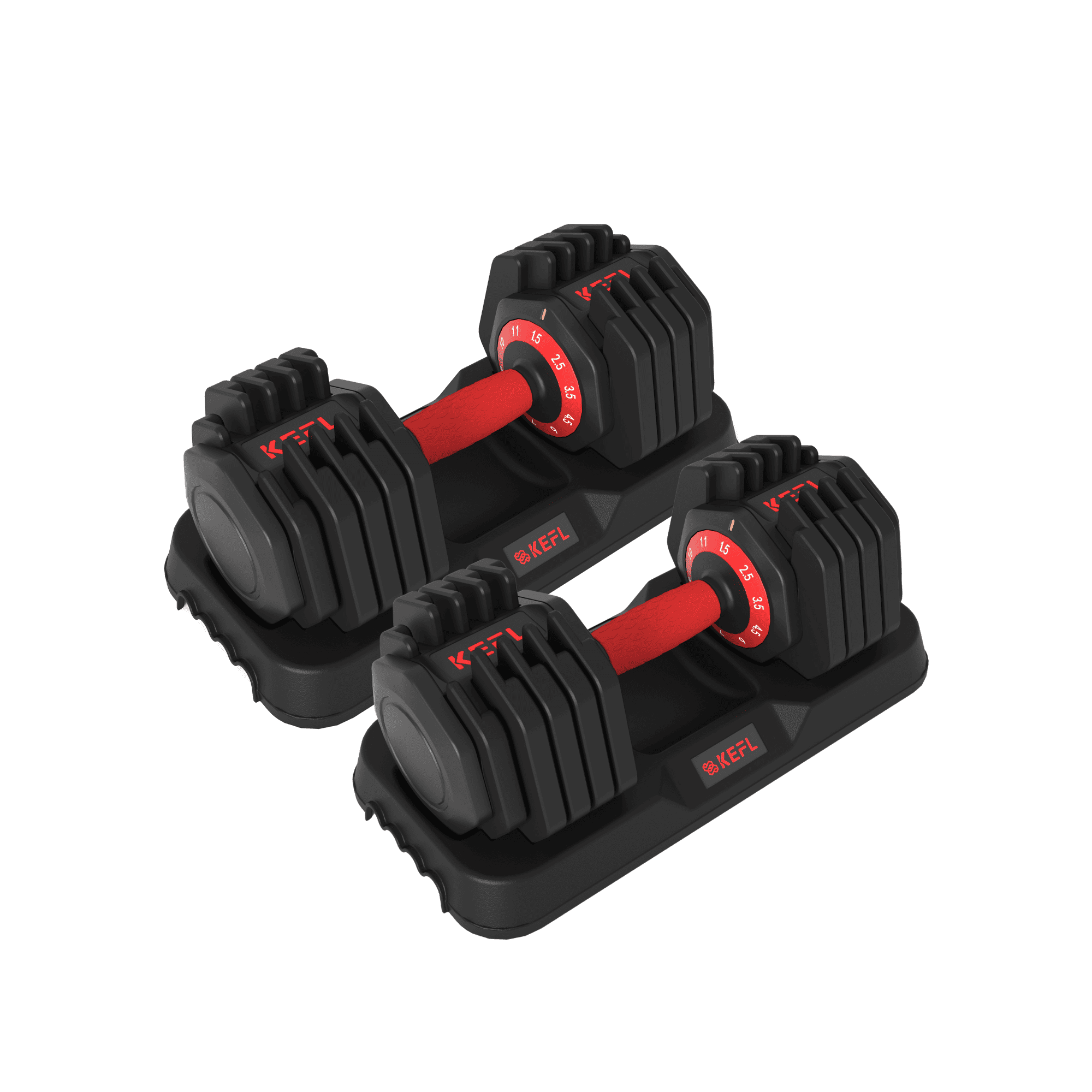
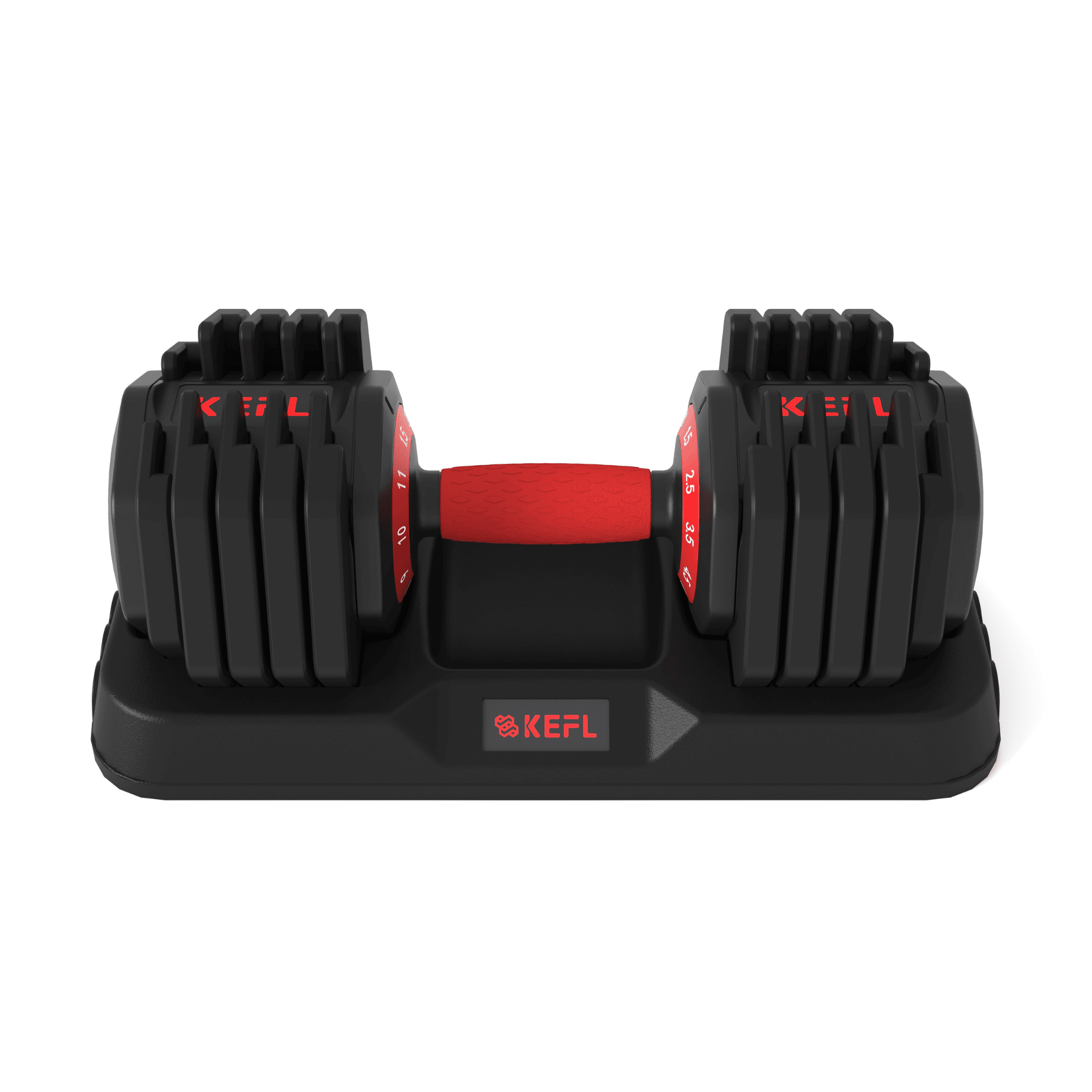
KEFL 11KG Premium Quick Dial Adjustable Dumbbell Pair
Choose your option
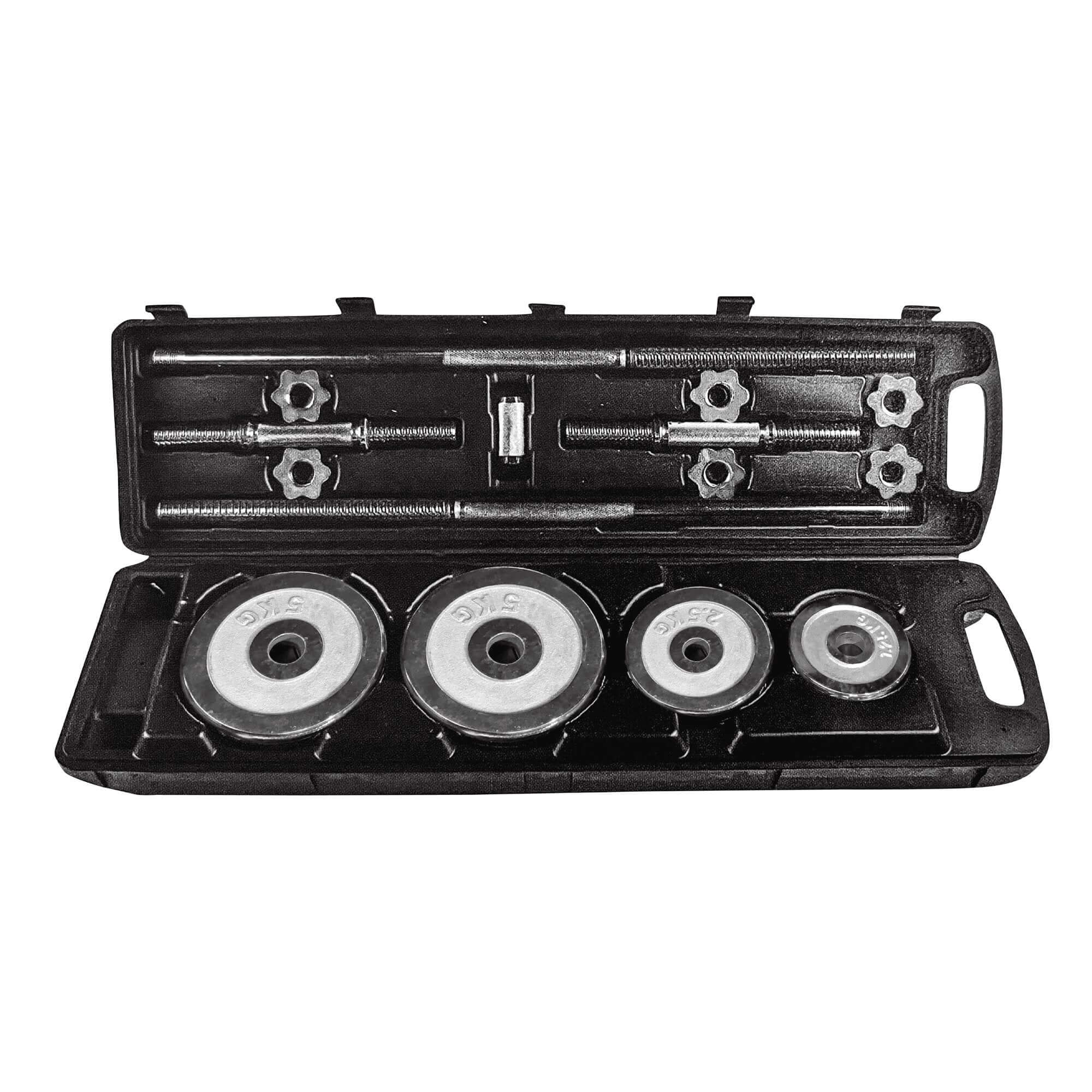
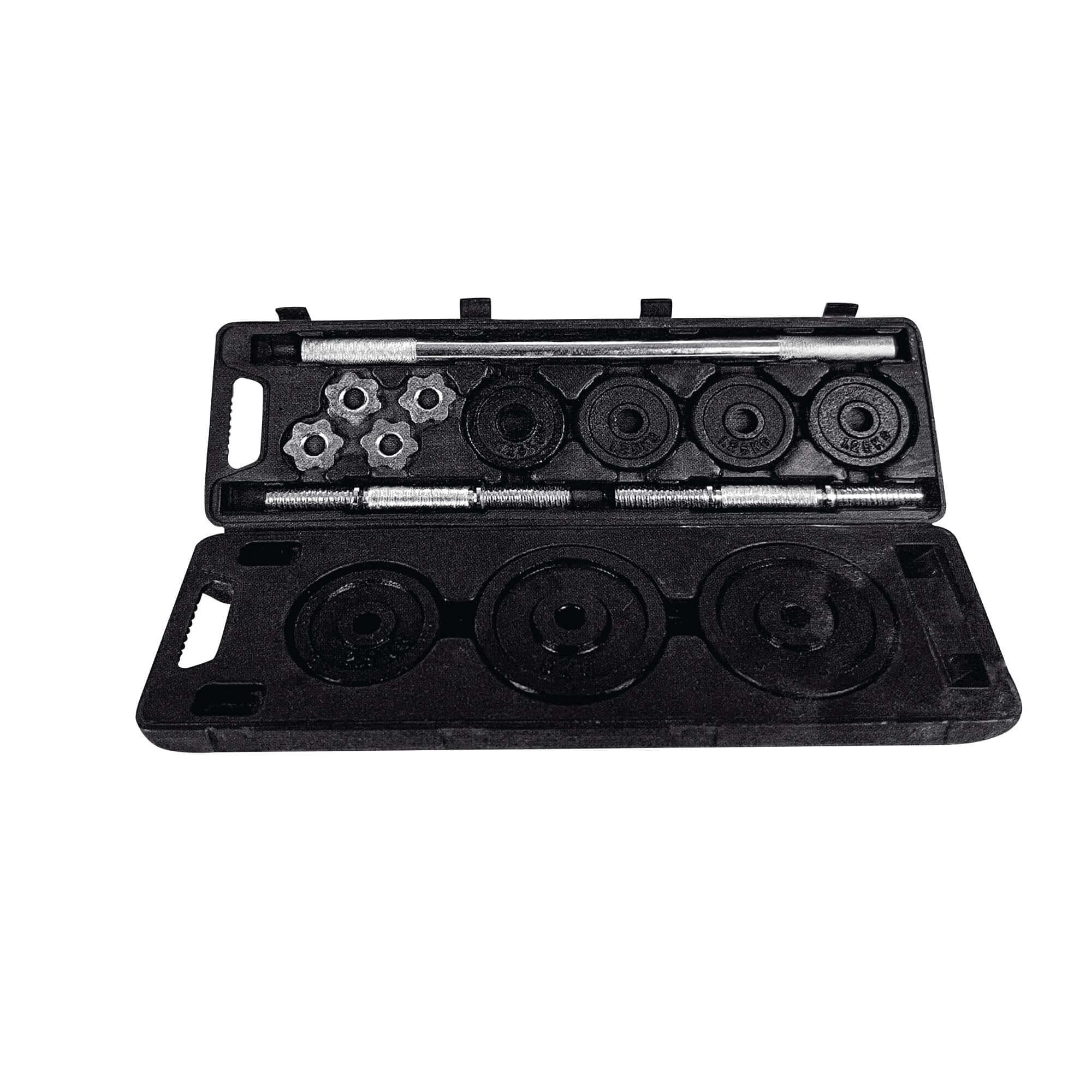
KEFL Cast Iron Adjustable Dumbbell 20/30/50KG Sets - Black/Chrome
Choose your option
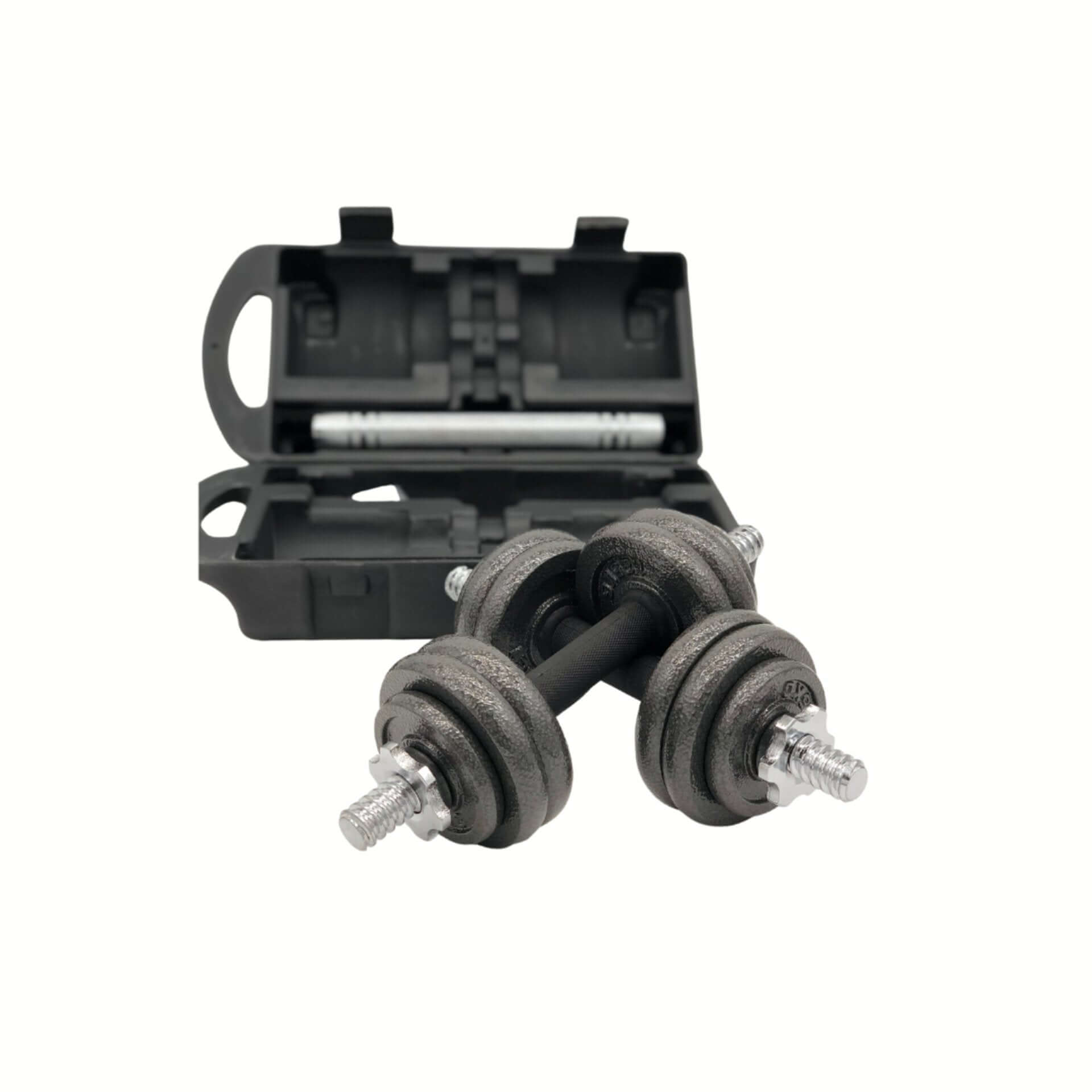
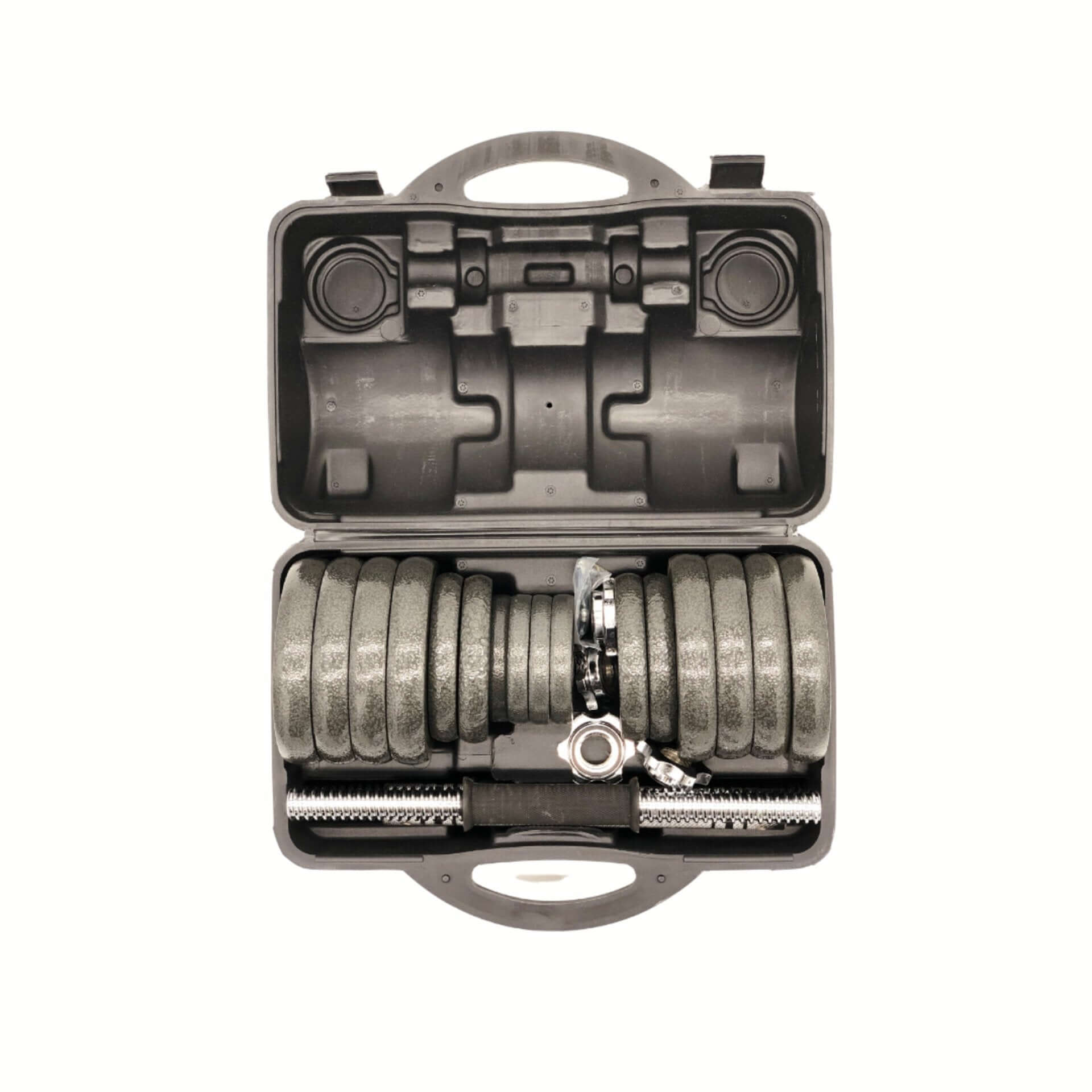
KEFL Cast Iron Adjustable Dumbbell Set 15kg-20kg-30kg-50kg
Choose your option


KEFL Adjustable Select Tech Dumbbell 40KG Pair
Choose your option
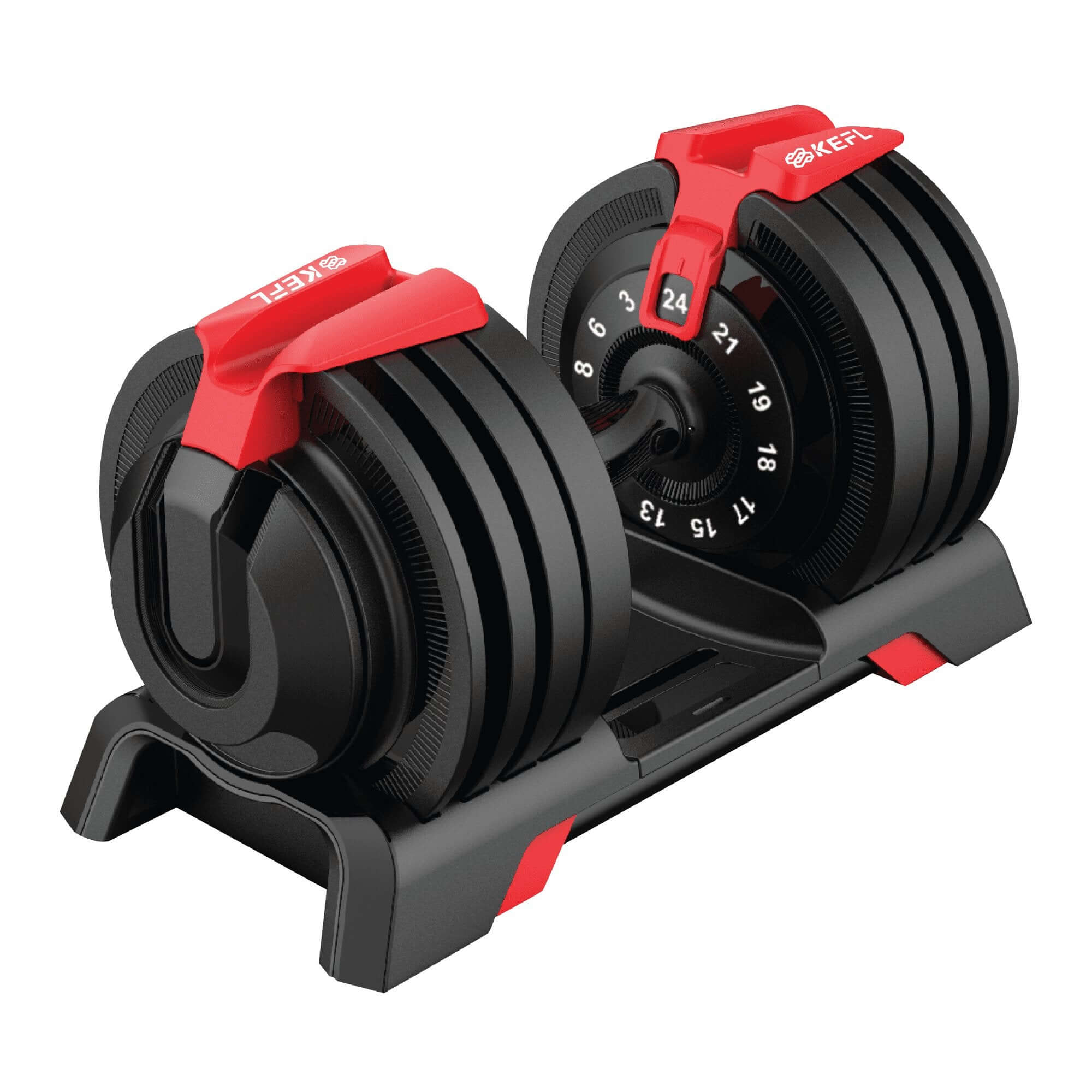
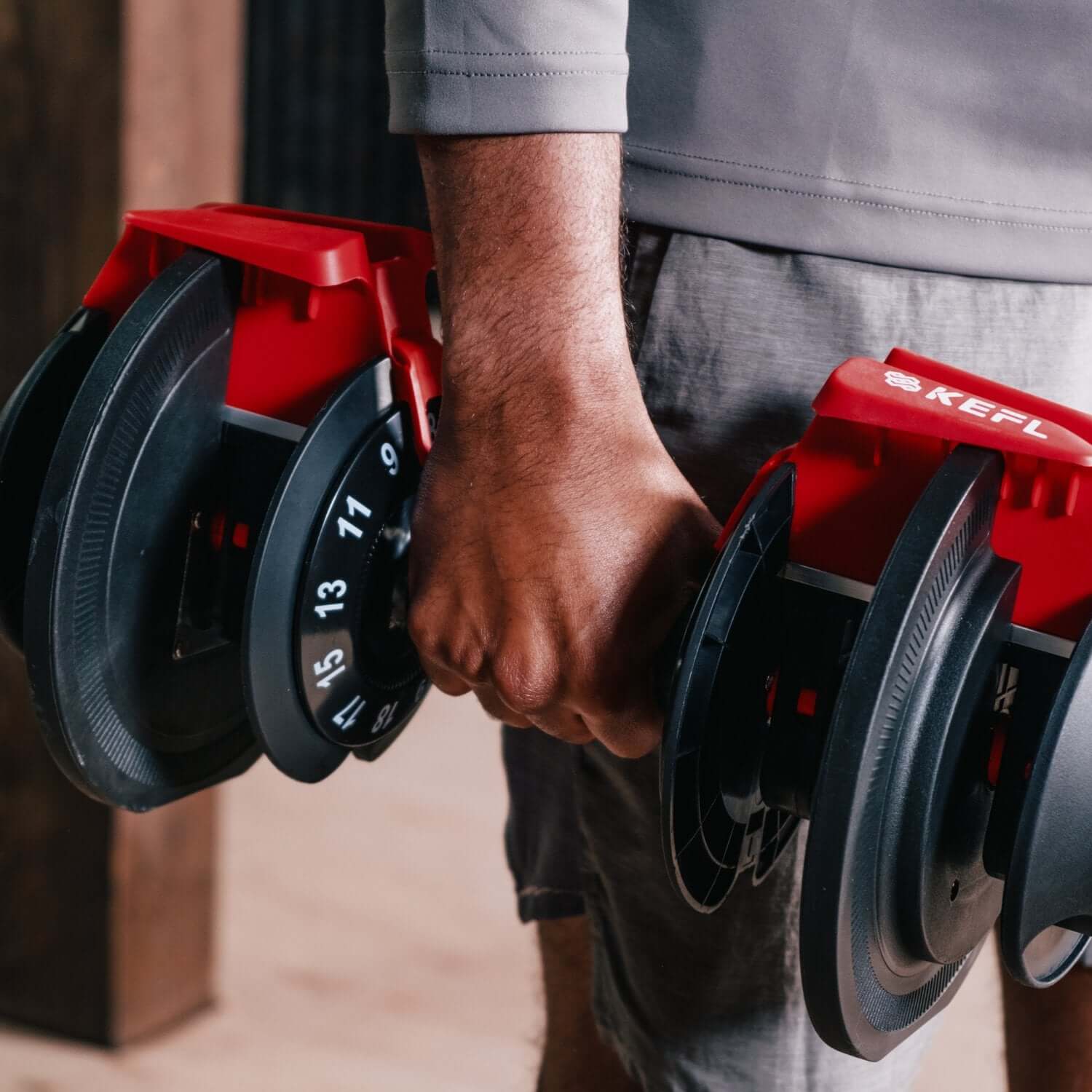
KEFL Adjustable Select Tech Dumbbell 24KG
Choose your option
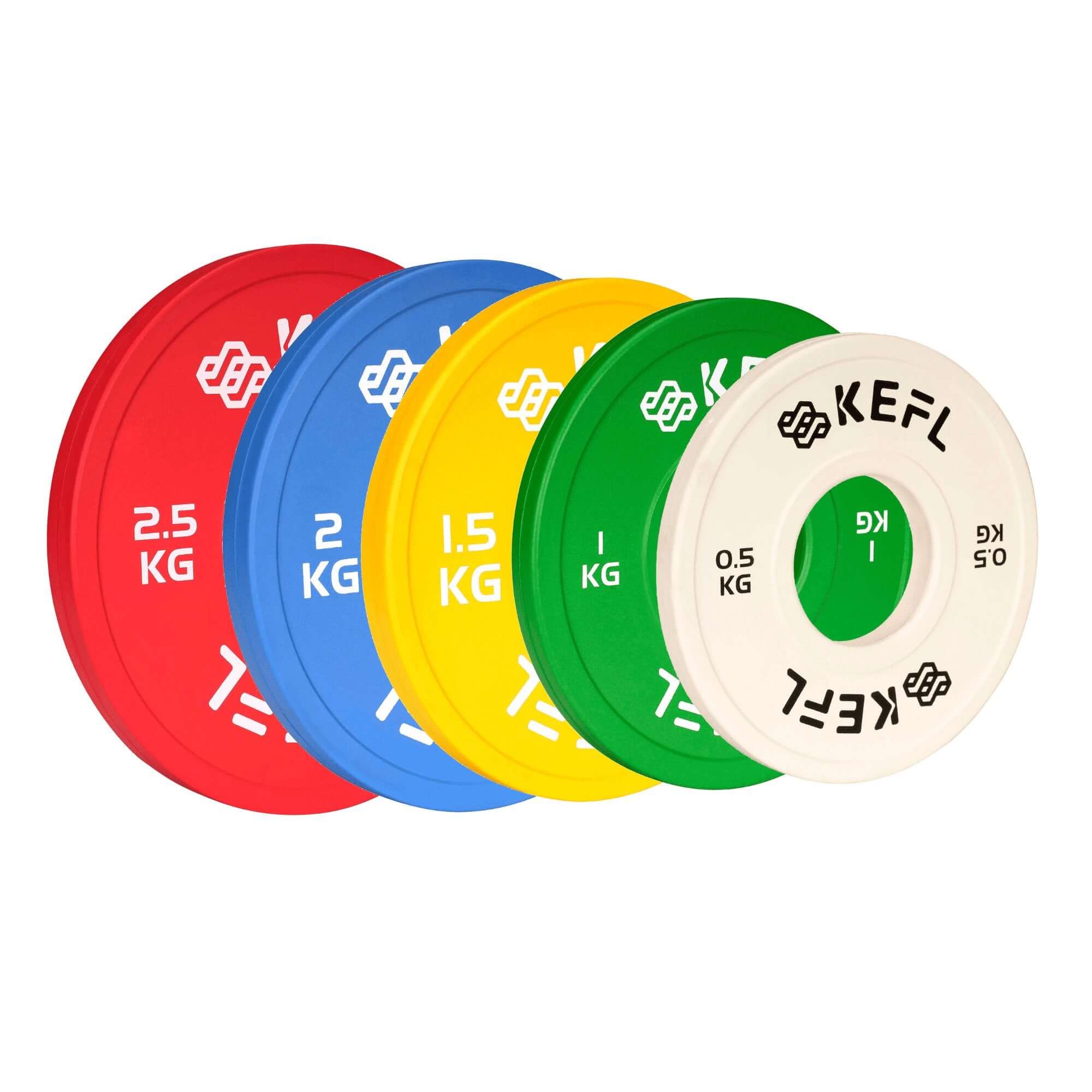
KEFL Olympic Fractional Change Plates
Choose your option
Choose your option
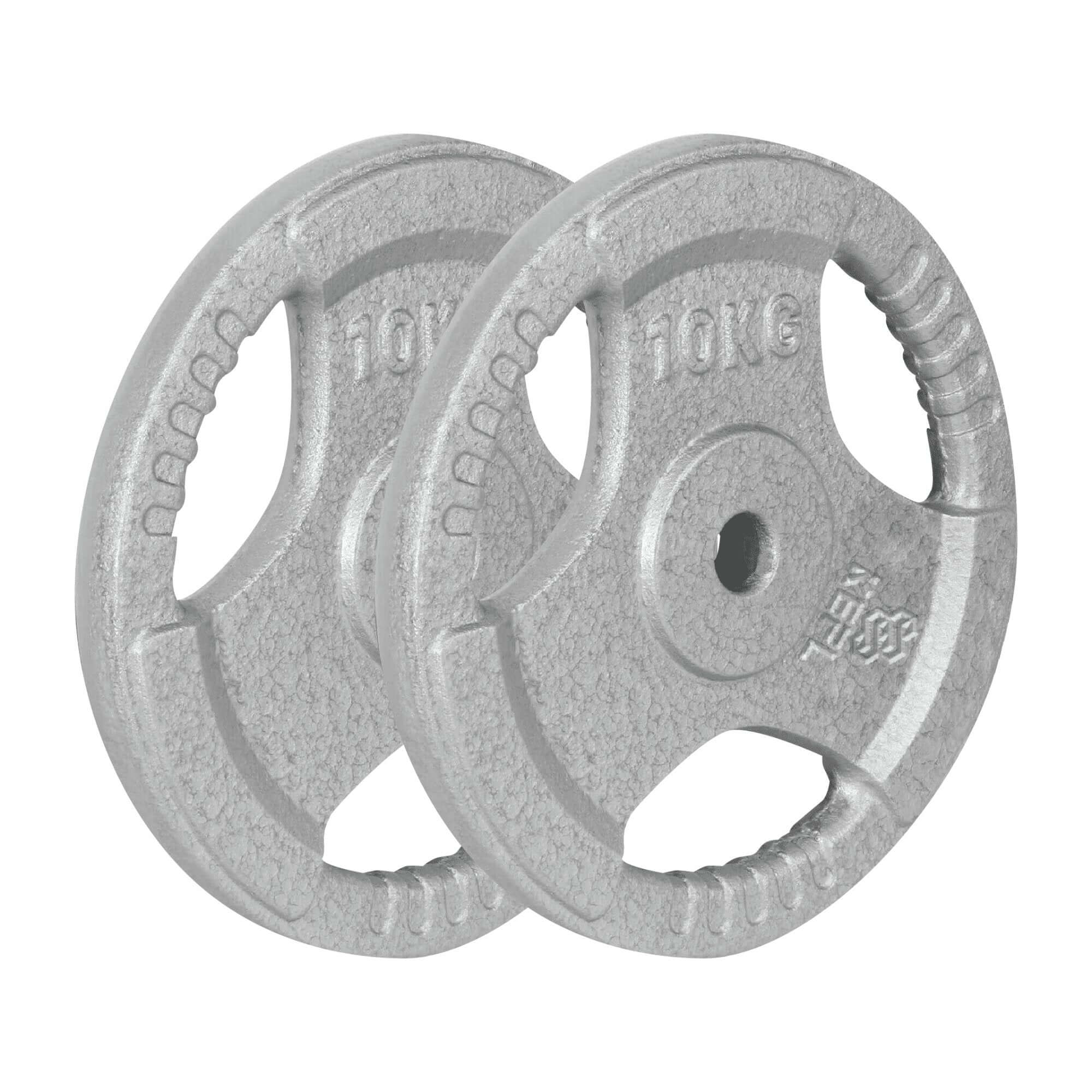
KEFL Cast Iron 1"Tri Grip Weight Plates
Choose your option
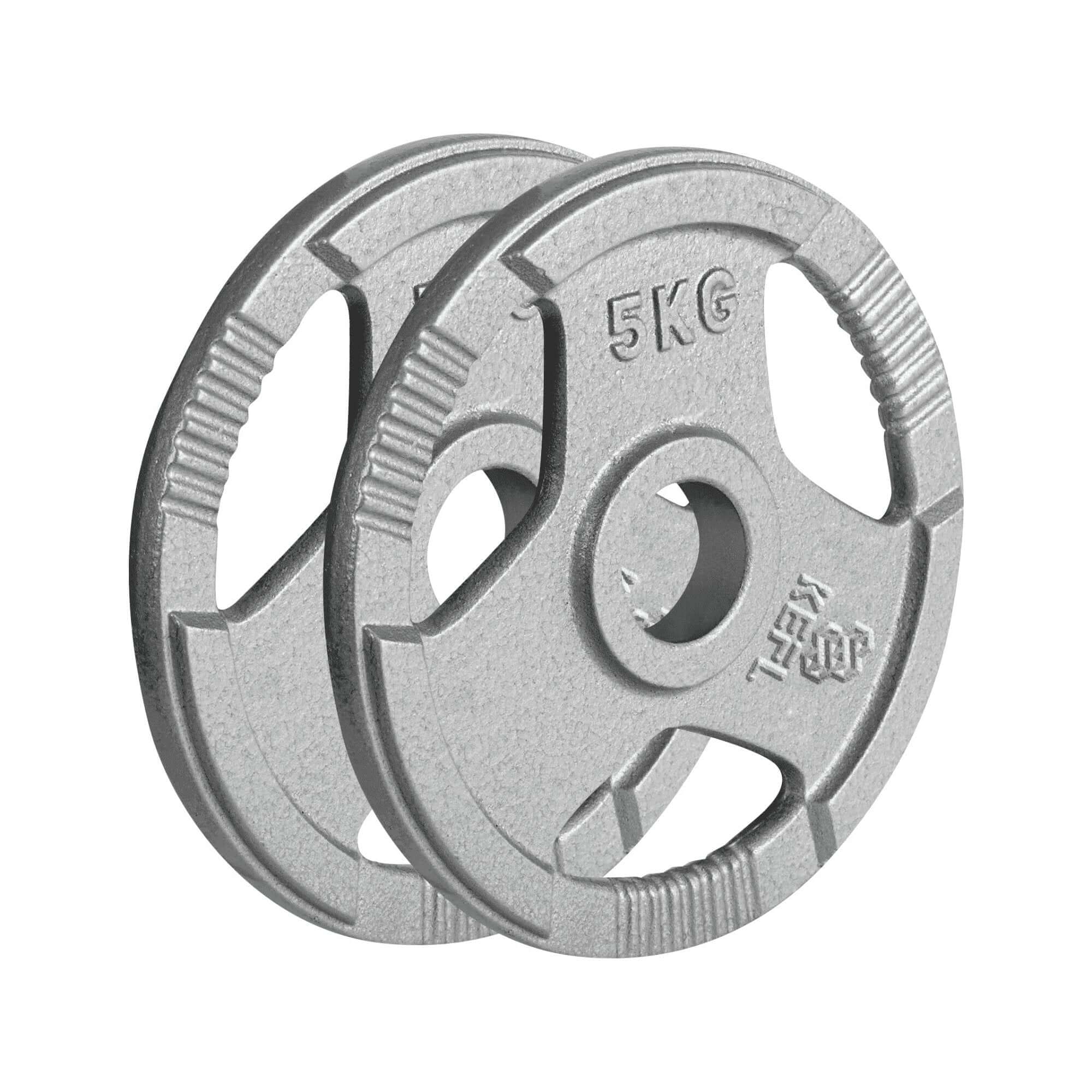
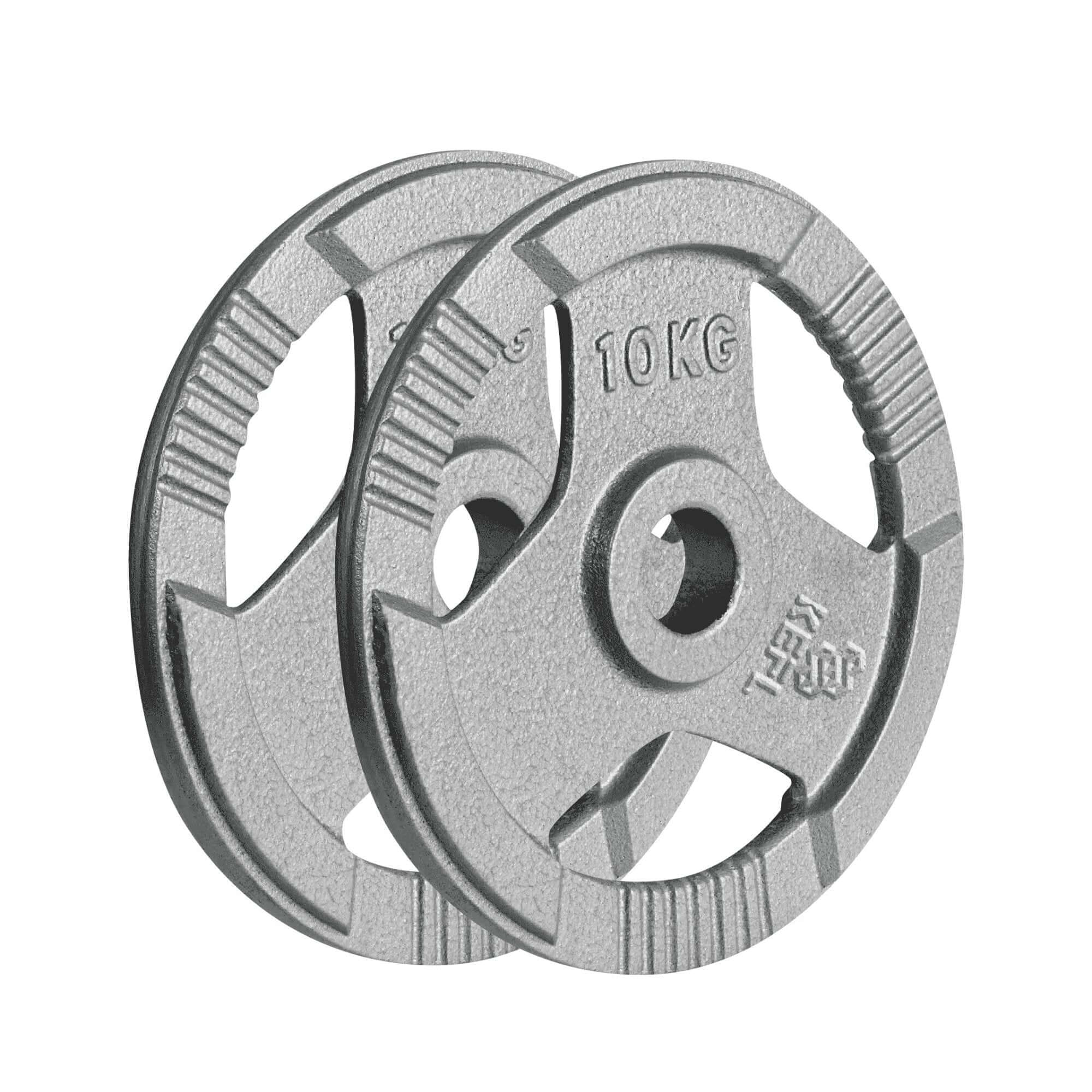
KEFL Cast Iron 2"Olympic Tri Grip Weight Plates
Choose your option
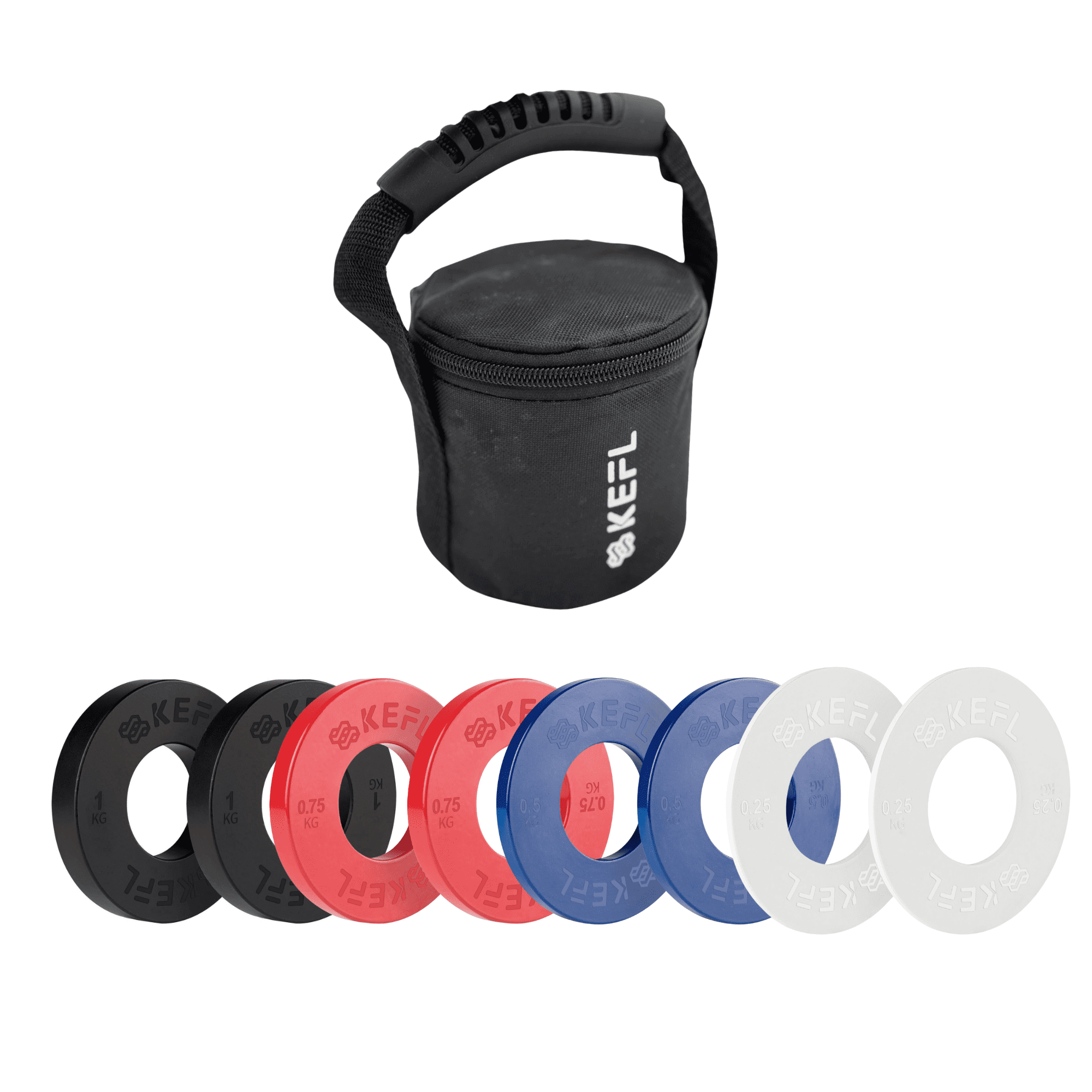
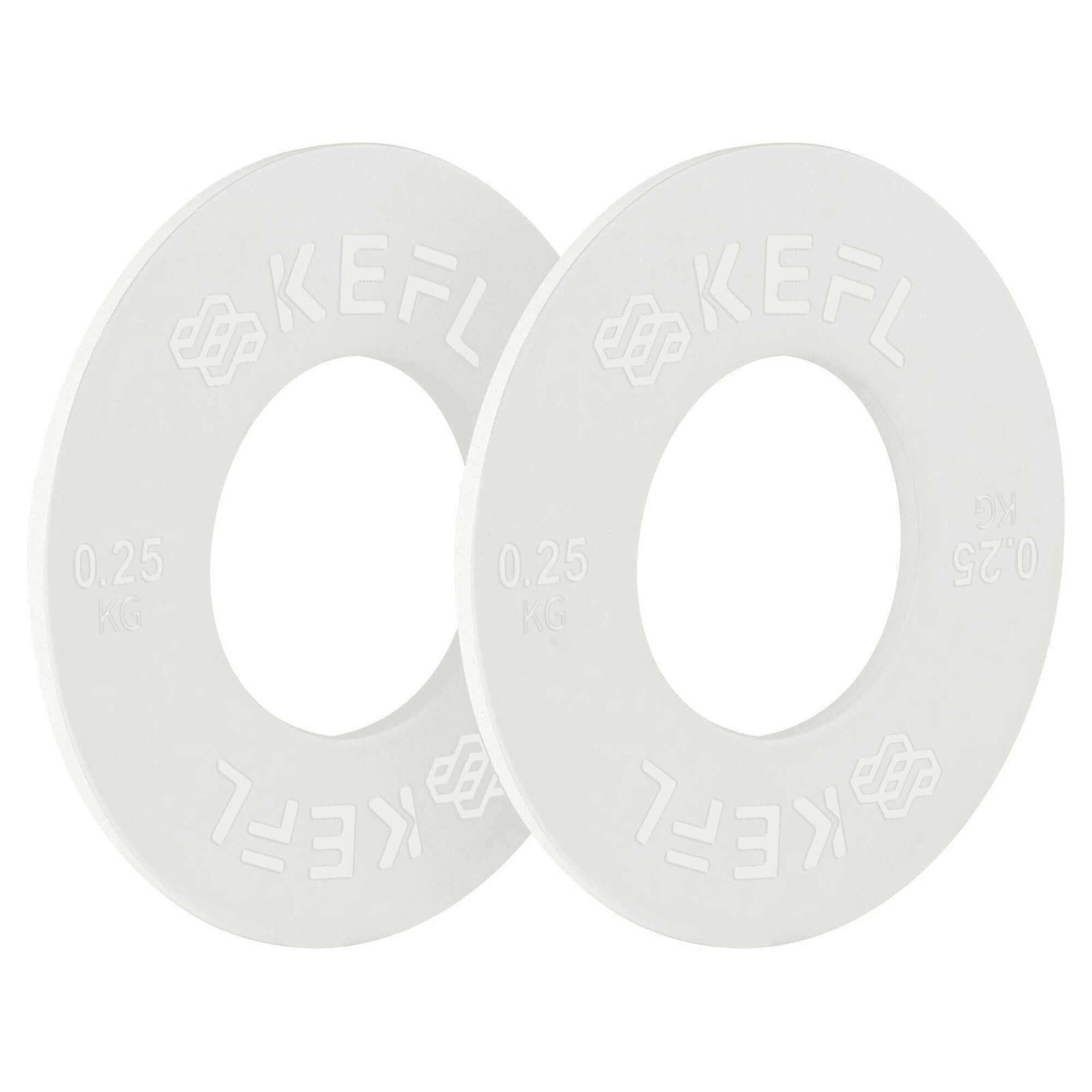
KEFL Small Olympic Fractional Plates
Choose your option
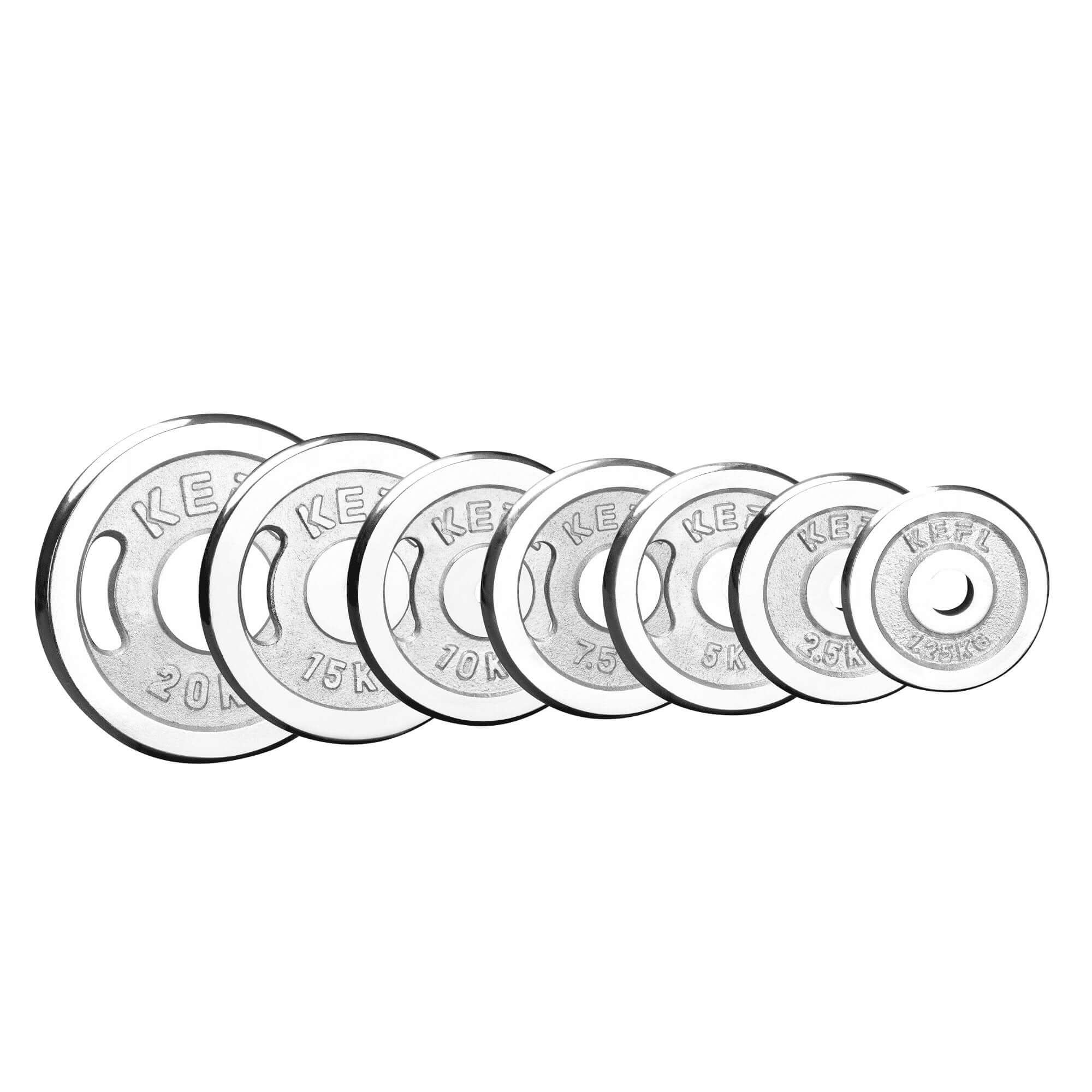
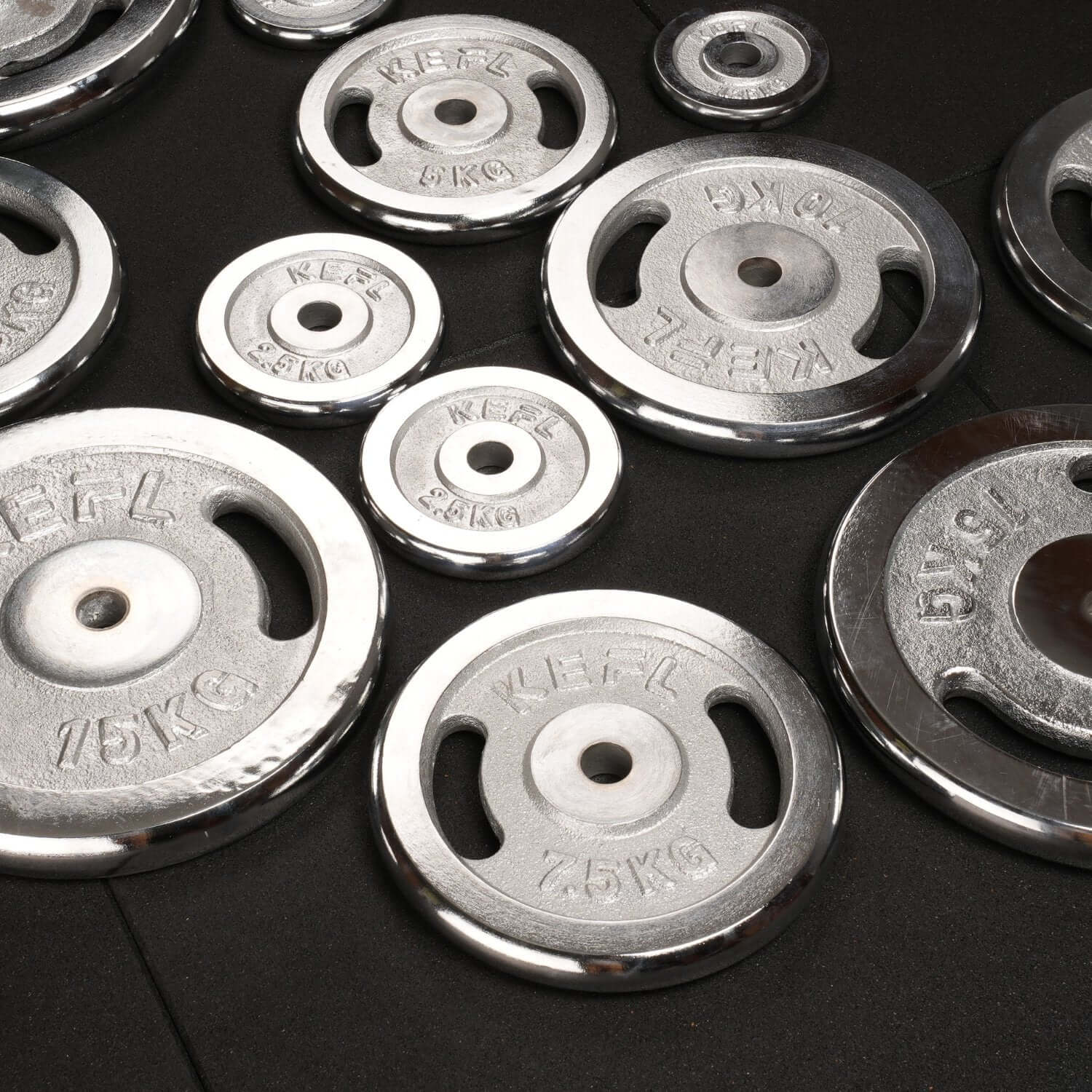
KEFL Cast 1" Standard Iron Chrome Plate
Choose your option
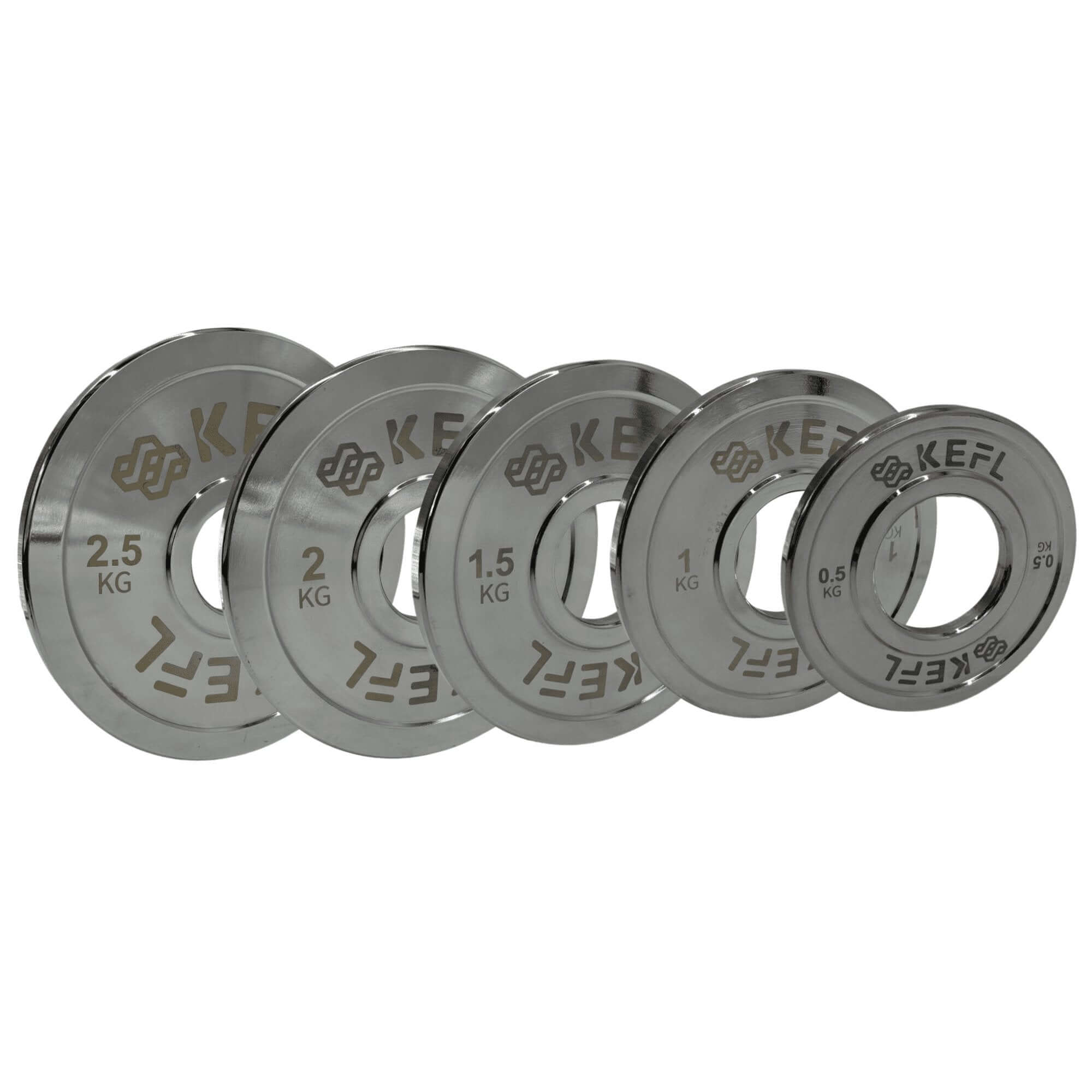
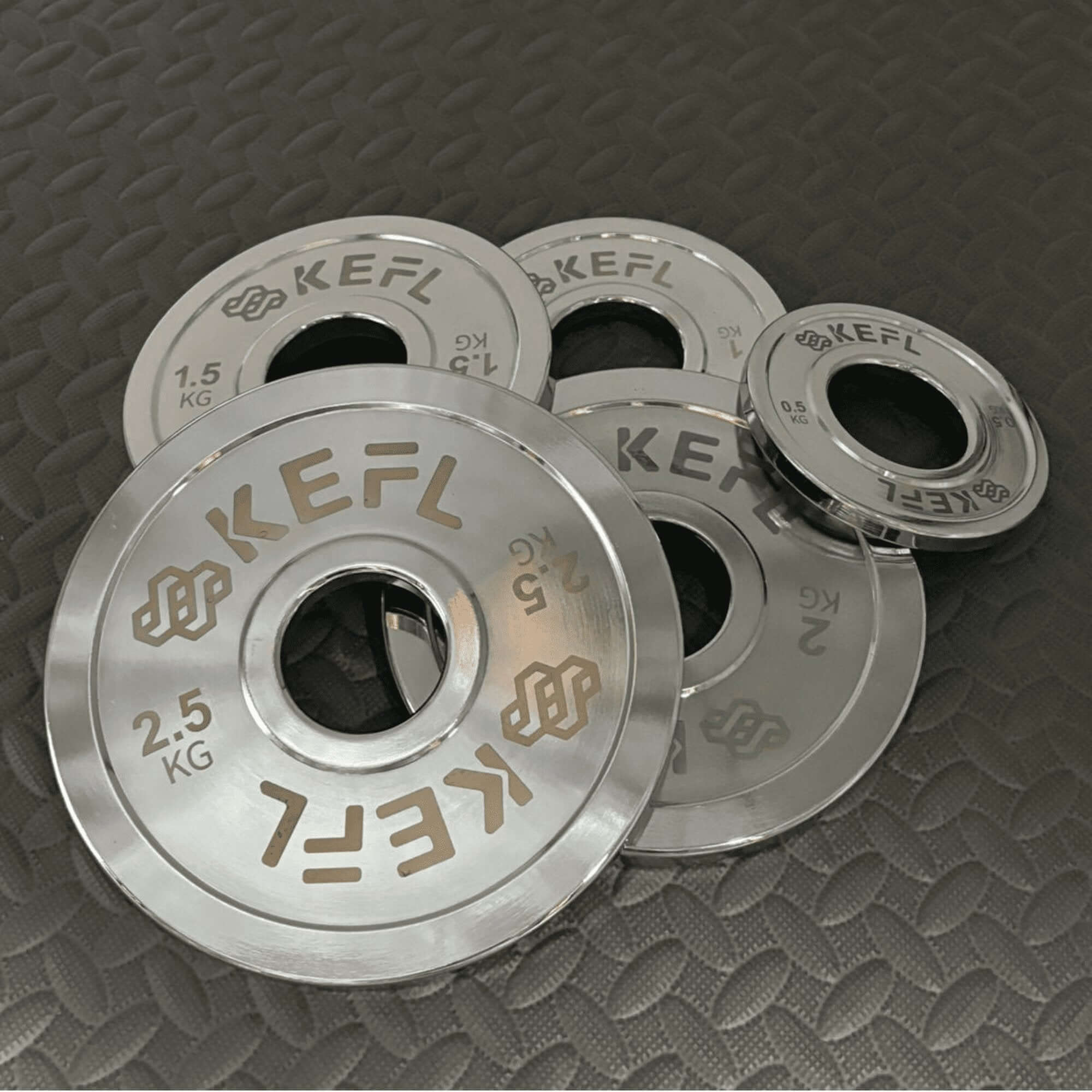
KEFL Olympic Fractional Plates in Chrome
Choose your option
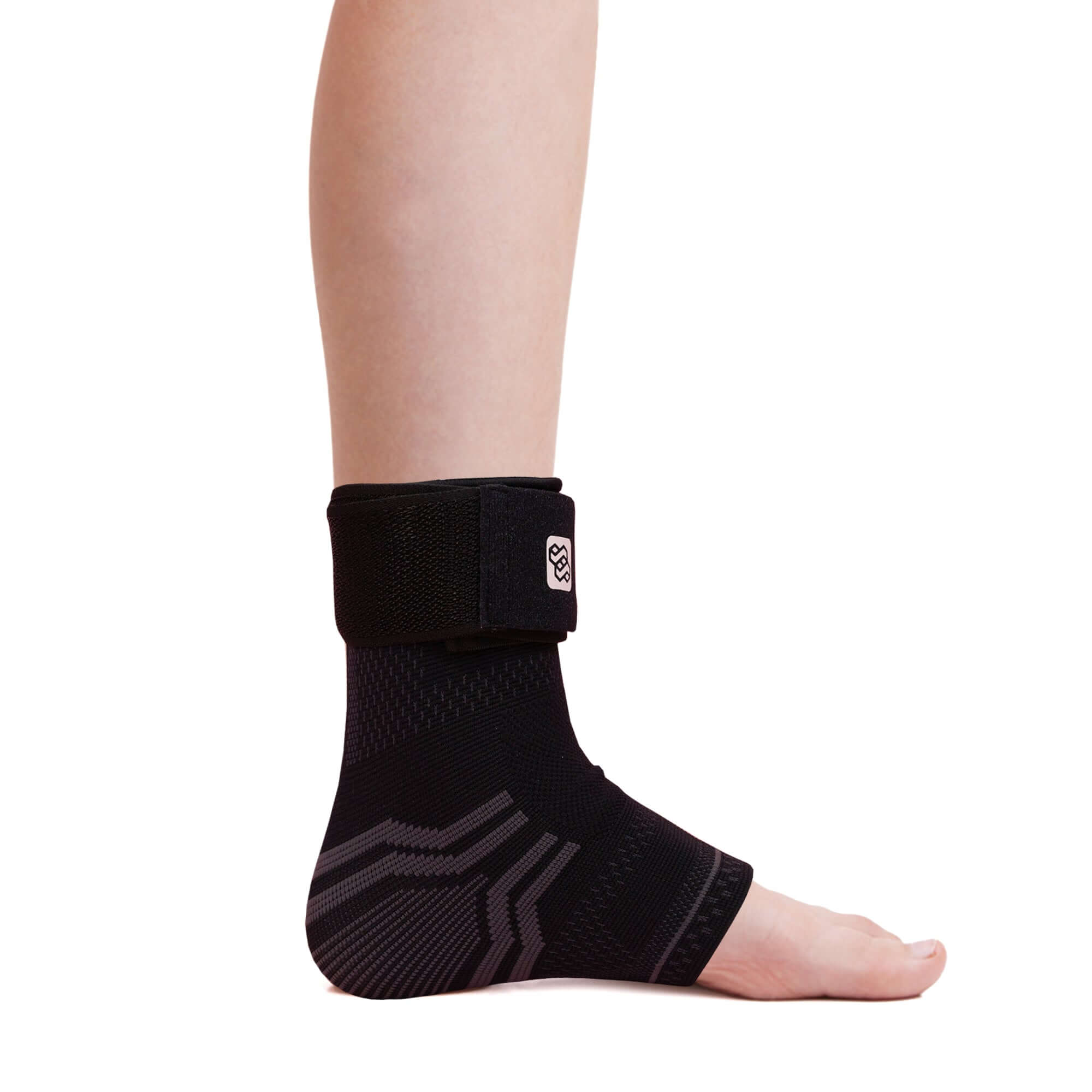
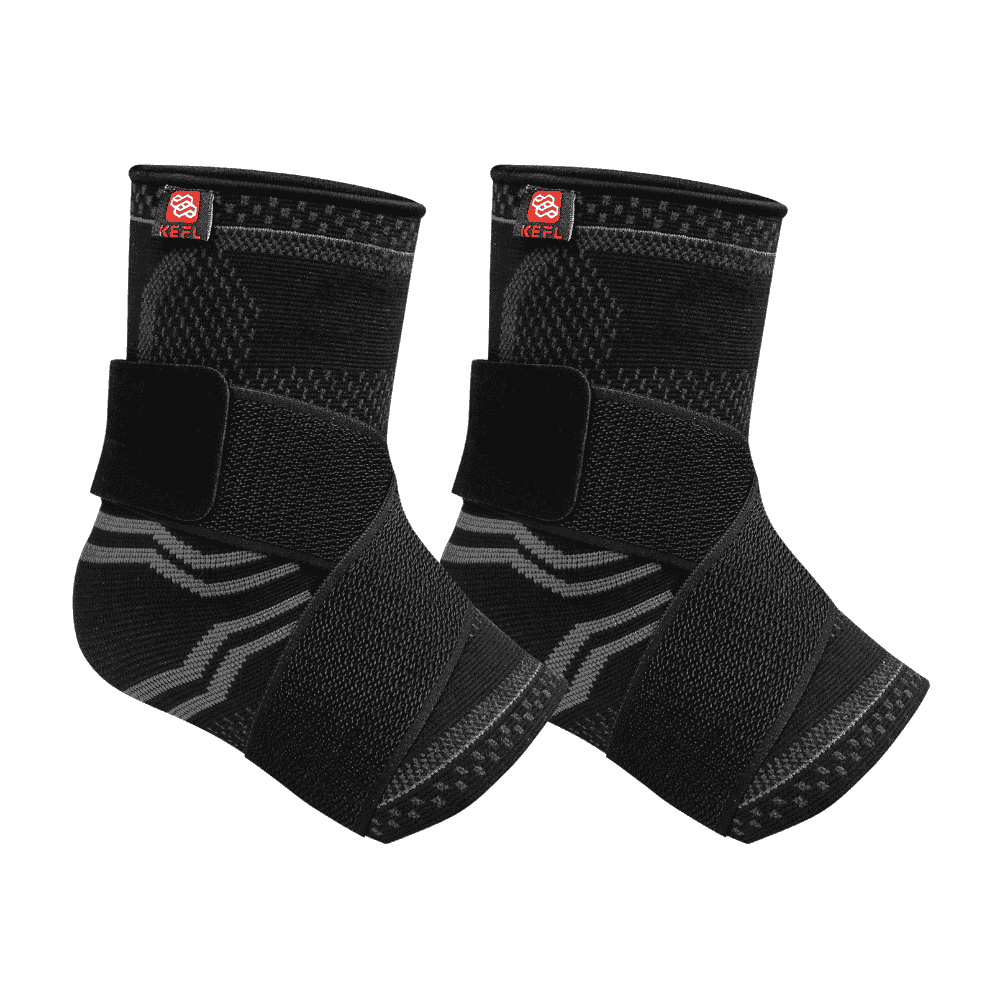
Premium Compression Ankle Support with Straps
Choose your option
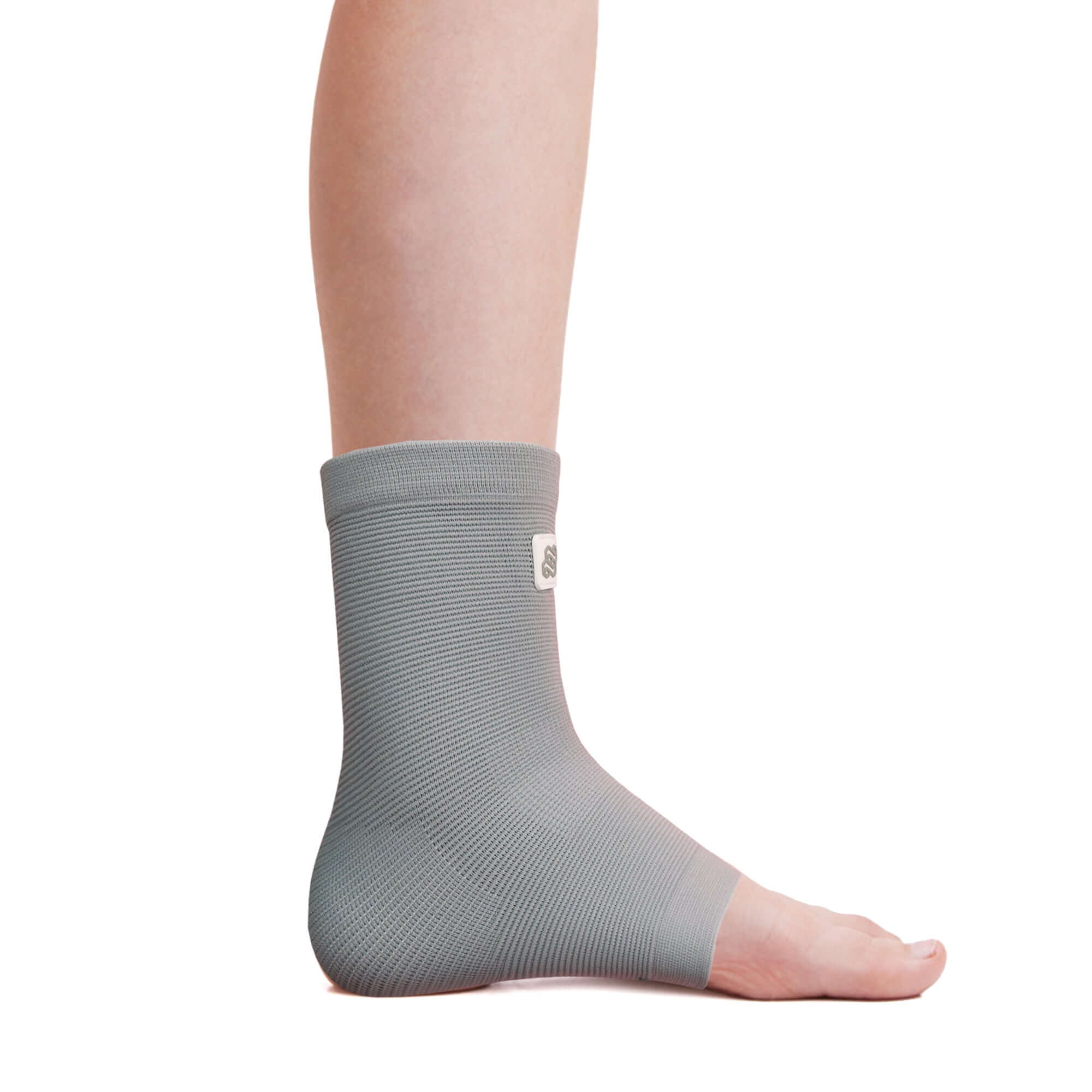
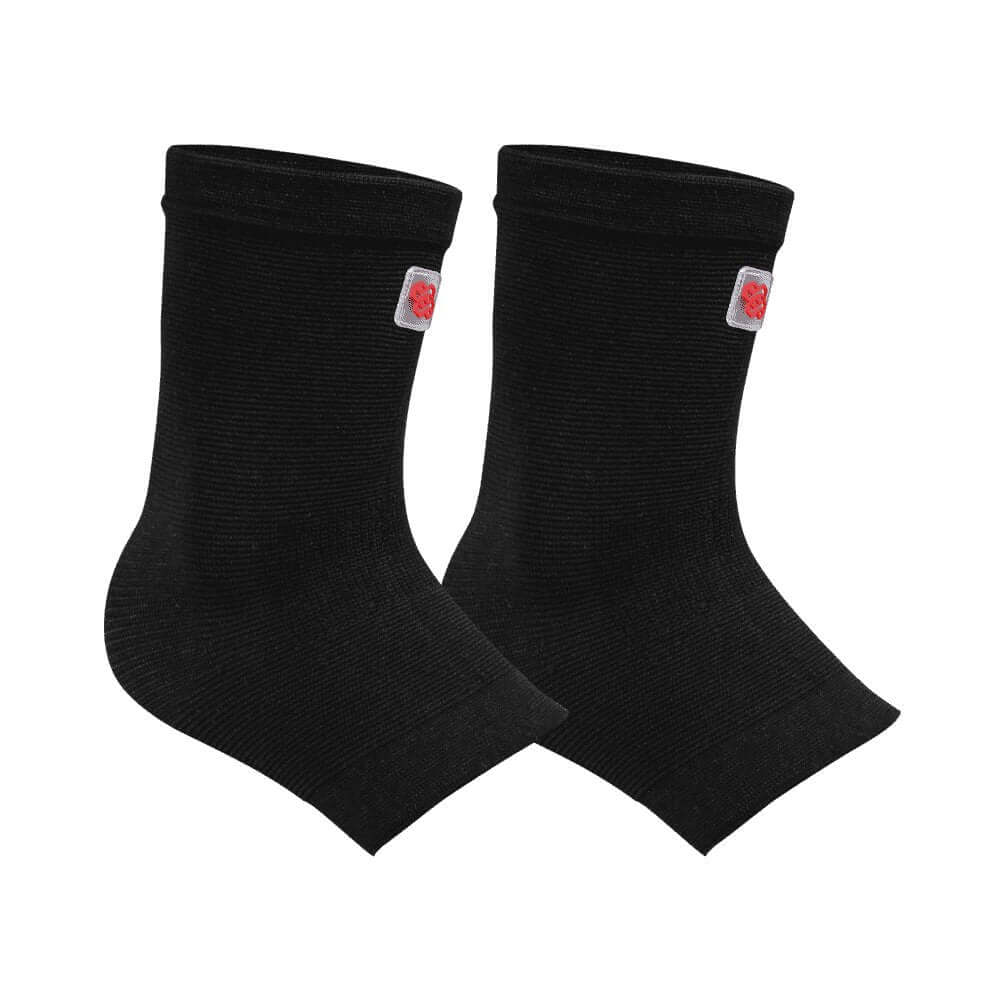
Compression Ankle Support
Choose your option
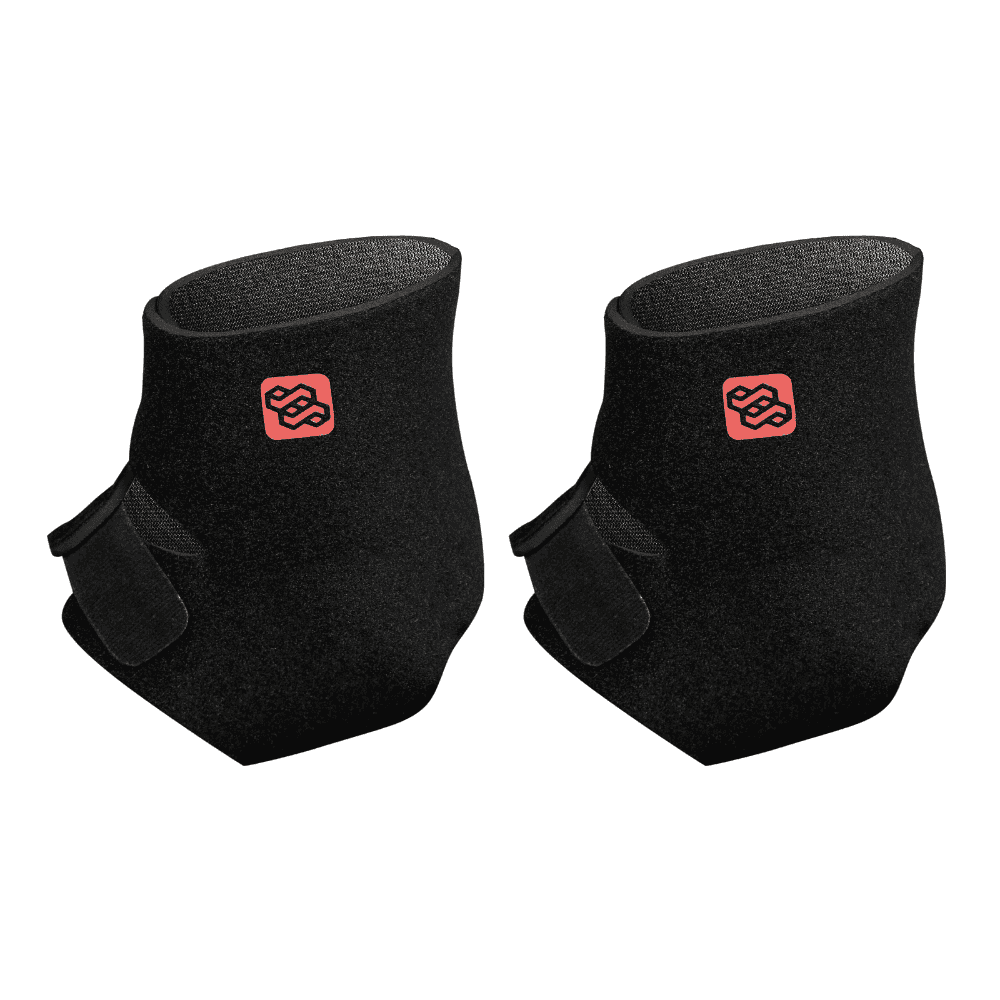
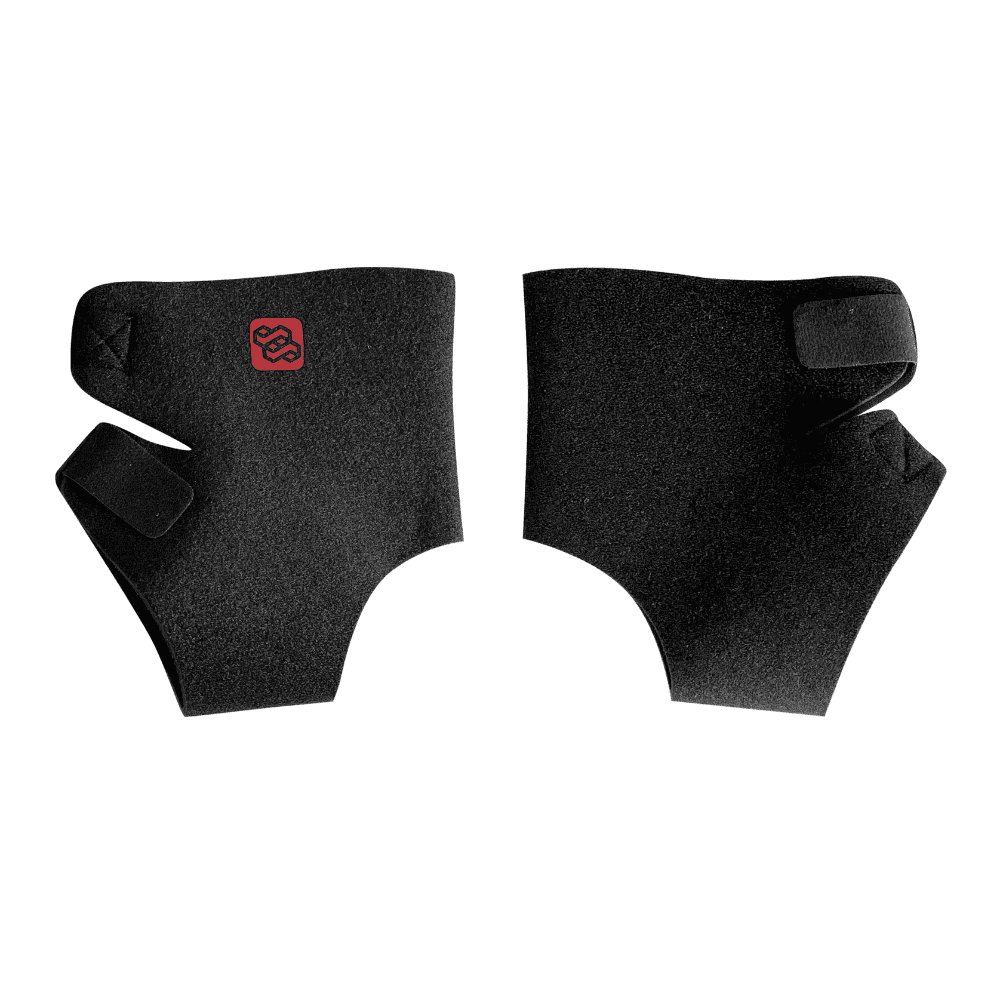
Breathable Ankle Support Brace with adjustable strap open heel
Choose your option
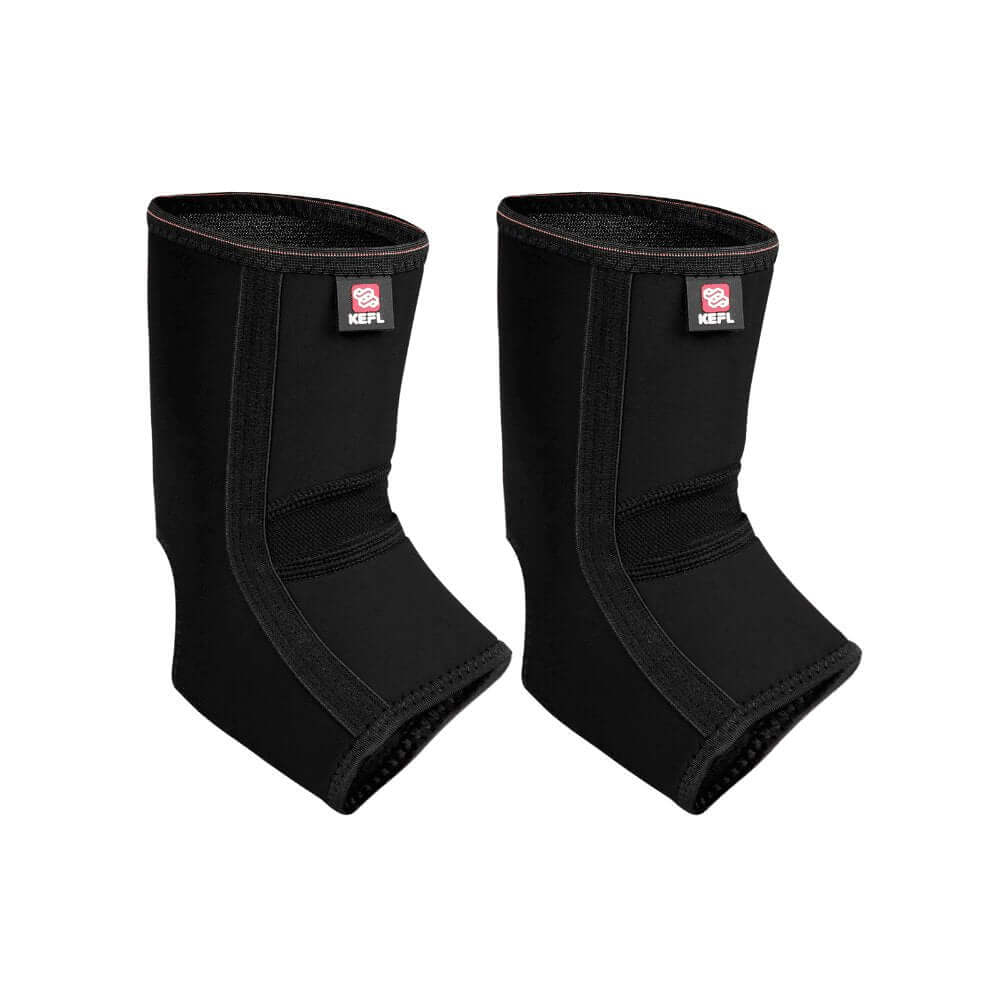
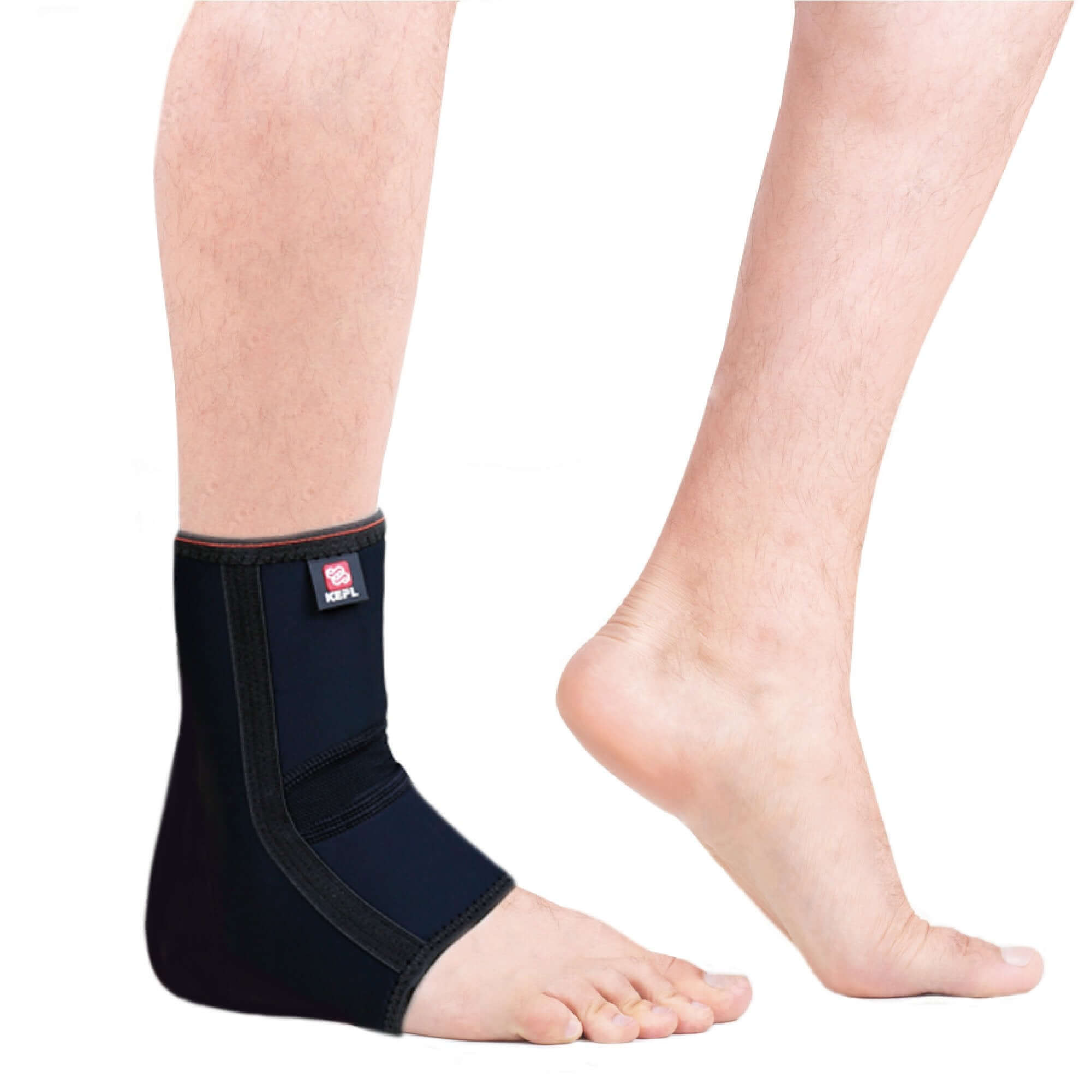
Compression Ankle Support Brace Open Heel
Choose your option
FAQs
If you have any questions, we’re here to help. As a family-run business based in Milton Keynes, we pride ourselves on providing friendly and reliable support.
Feel free to check out our full FAQs page or contact us.
How long will delivery take?
How long will delivery take?
Our aim is to process and deliver your orders as quickly as possible, usually within 2-5 days. We understand that unexpected situations can cause delays, but rest assured that we'll provide you with tracking information so that you can keep a tab on your order's status.
We're happy to say that the majority of our customers receive their orders on time without any issues. However, if you haven't received your delivery within 10 days of your purchase, please don't hesitate to contact us. We're always ready to assist you in any way we can.
How much is shipping?
How much is shipping?
Delivery charges vary based on the total weight of your order, your delivery location, and the service selected at checkout.
In some cases, only one delivery option may appear at checkout. This is due to courier restrictions based on weight or location, where other services may not be eligible or available.
What about collection?
What about collection?
We also offer a collection service from our warehouse. If you would prefer to collect your order, simply select the Pickup option at checkout. For more information see our FAQ page.
Latest News
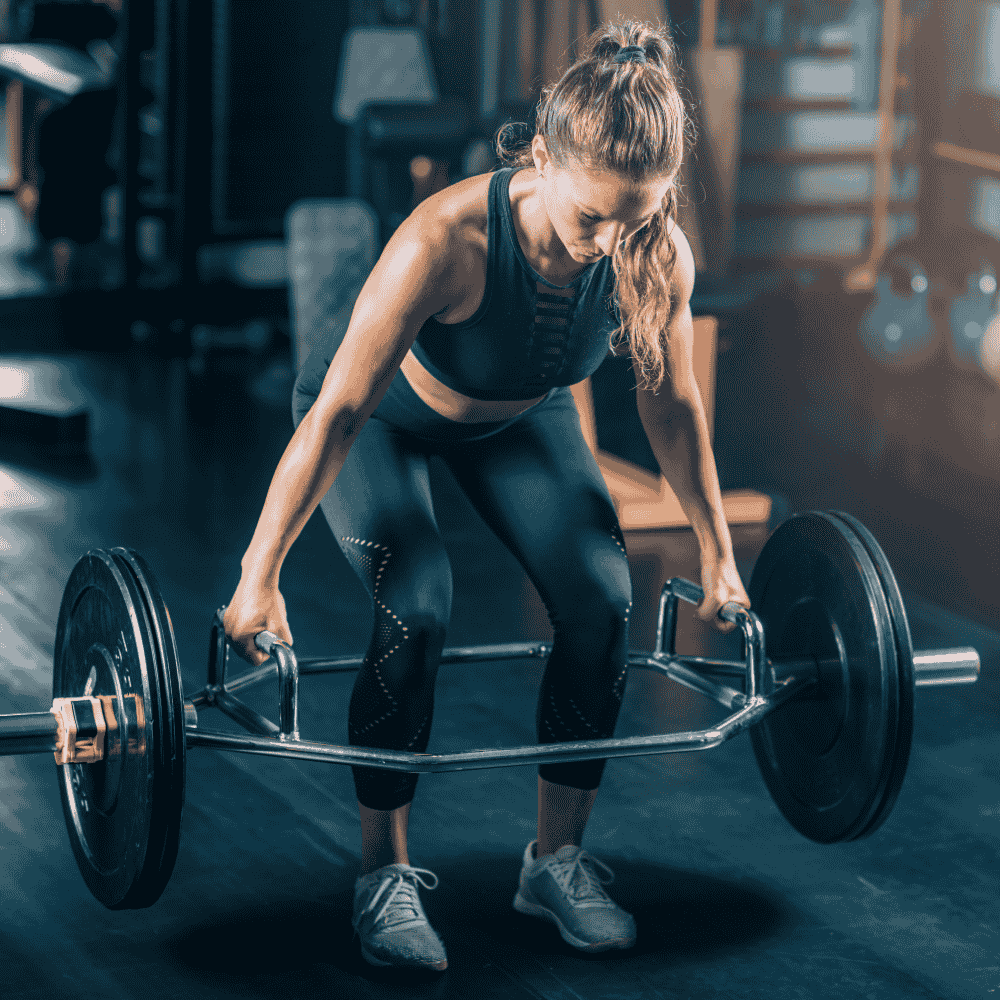
Trap Bar Shrugs: Build Stronger Shoulders & Traps
The trap bar shrug is one of the most effective exercises for building strong, well-defined trapezius muscles — those broad muscles between your shoulders and neck. Using a trap bar (also known as a hex bar) makes this classic move safer, smoother, and more effective by improving posture and reducing wrist strain. If you're looking to develop upper body strength, improve posture, or complete your trap bar training plan, this simple yet powerful lift should be in your routine. Why Use a Trap Bar for Shrugs? The trap bar’s neutral grip and balanced design offer several benefits over traditional barbell shrugs: More natural hand position = less wrist and elbow stress. Weight in line with the body = better posture and form. Easier to control = safer for beginners and heavier lifts. Compared to dumbbells or barbells, the trap bar shrug allows you to lift more comfortably and with better alignment, targeting the traps more directly. See Product See Product How to Perform Trap Bar Shrugs Step inside your trap bar and grip the handles firmly. Stand tall, with your feet shoulder-width apart and knees slightly bent. Brace your core and keep your shoulders relaxed. Lift your shoulders directly upwards toward your ears — no rolling! Pause at the top for a strong contraction, then slowly lower back down. Reps & Sets: Start with 3–4 sets of 10–15 reps, adjusting your trap bar weight as needed. Trap Bar Shrug Benefits Isolated Trap DevelopmentShrugs focus directly on the trapezius muscles, helping you build upper back mass and improve posture. Improved Grip StrengthHolding the trap bar helps strengthen your grip and forearms — a great side benefit for lifters. Better Shoulder StabilityStrong traps support your shoulders in pressing and pulling movements, making them essential for overall upper body function. Beginner-Friendly FormUnlike barbell shrugs, which can force awkward wrist angles, the trap bar allows a neutral grip for more natural movement. When to Add Trap Bar Shrugs to Your Routine Add trap bar shrugs at the end of your upper body or full-body session. They're an excellent accessory lift after big movements like trap bar deadlifts or trap bar squats. Pair with: Trap bar carries. Overhead presses. Rows or pull-ups. See Product See Product Common Mistakes to Avoid Rolling the shoulders — lift straight up and down. Using momentum — keep the movement slow and controlled. Neglecting form — posture matters as much as weight. Strong Traps, Stronger Lifts Your traps play a critical role in stabilising the neck, shoulders, and spine. Developing them with trap bar shrugs can improve your posture, reduce neck tension, and support bigger lifts across your training.
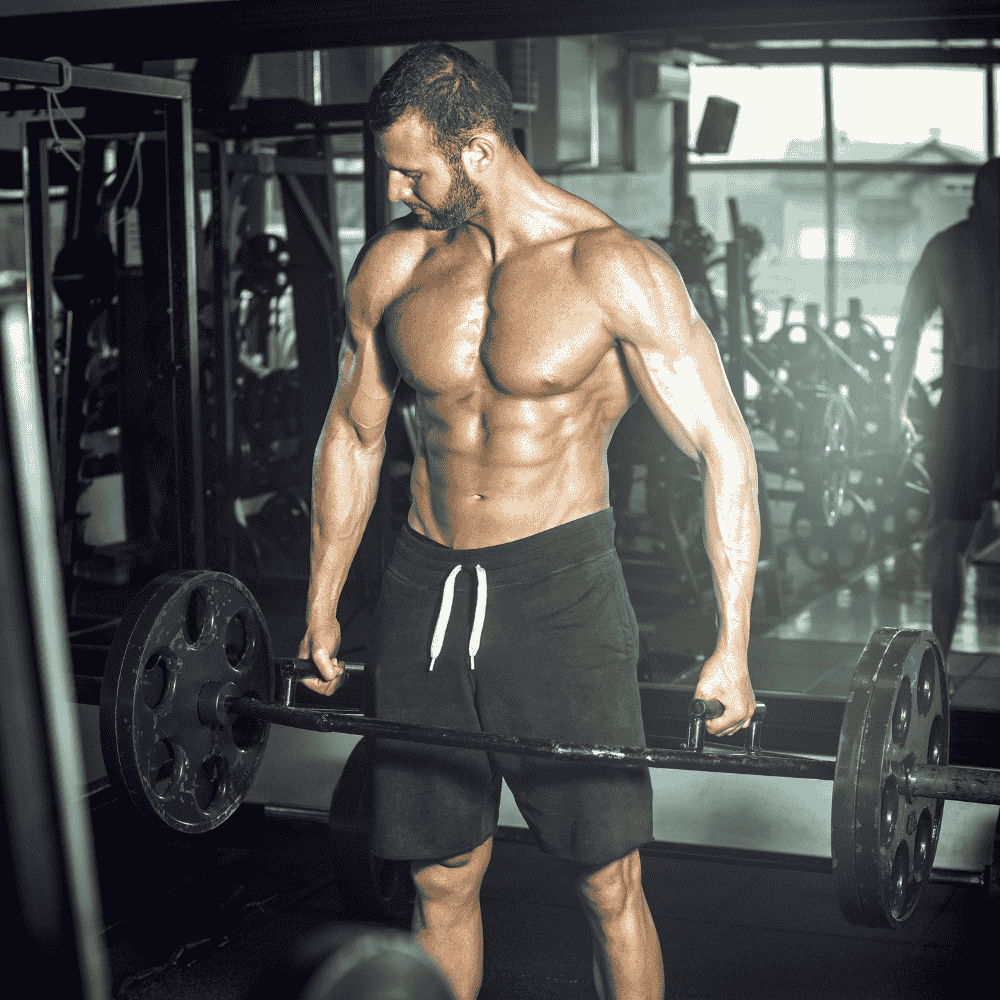
Trap Bar Workout: Full-Body Strength Routine
Looking for one piece of equipment that can help you train your entire body? Enter the trap bar — also called a hex bar — a versatile tool that brings together strength, stability, and safety. With just one bar, you can target your legs, back, core, arms, and shoulders effectively. This full-body trap bar workout is perfect for home gyms and adaptable to all fitness levels. Why Use a Trap Bar for Full-Body Workouts? Unlike traditional barbells or dumbbells, the trap bar’s unique shape allows for a neutral grip and central weight distribution. That means: Less stress on the spine. Improved lifting mechanics. Greater muscle activation with reduced injury risk, Whether you're aiming to build strength, tone your body, or increase power, a well-designed trap bar workout gives you all the tools you need. See Product The Ultimate Full-Body Trap Bar Routine Do this workout 2–3 times per week with at least one rest day between sessions. Adjust sets, reps, and trap bar weight according to your fitness level. 1. Trap Bar Deadlift (3 sets of 8 reps)Targets: Glutes, hamstrings, lower back, core.Stand inside the bar, grip the handles, and lift with control. Focus on keeping your chest up and driving through your heels. 2. Trap Bar Squat (3 sets of 10 reps)Targets: Quads, glutes, core.This variation helps you maintain an upright torso and reduce pressure on the knees and lower back. 3. Trap Bar Overhead Press (if bar allows) (3 sets of 6–8 reps)Targets: Shoulders, arms, upper back.Use a lightweight open trap bar and press overhead with control. If your bar doesn't support this, skip to shrugs. 4. Trap Bar Shrugs (3 sets of 12 reps)Targets: Traps, shoulders.Hold the bar at your sides and lift your shoulders towards your ears. Pause at the top before lowering slowly. 5. Trap Bar Carries (3 rounds of 20–30 seconds)Targets: Grip, core, traps, glutes.Walk slowly with the bar at your sides, keeping your posture strong and core engaged. Optional Bonus Finisher Trap Bar Jump Deadlifts (3 sets of 5 reps)Use a lighter weight and perform an explosive pull to build power. Focus on smooth landings. Tips for Success Warm up properly before lifting to prepare your joints and muscles. Focus on form over load — good technique brings long-term progress. Don’t skip rest days — recovery is key to gains and injury prevention. See Product Who Is This Workout For? This routine works for: Beginners who want a simple, all-in-one strength session. Busy people training at home with minimal equipment. Athletes needing functional, full-body training. Anyone looking to get stronger without complex gym machines. Build Your Routine with KEFL The trap bar is more than a tool for deadlifts — it’s a complete solution for strength training at home. At KEFL, our collection includes both open trap bars and classic designs built for performance and comfort. See Product See Product
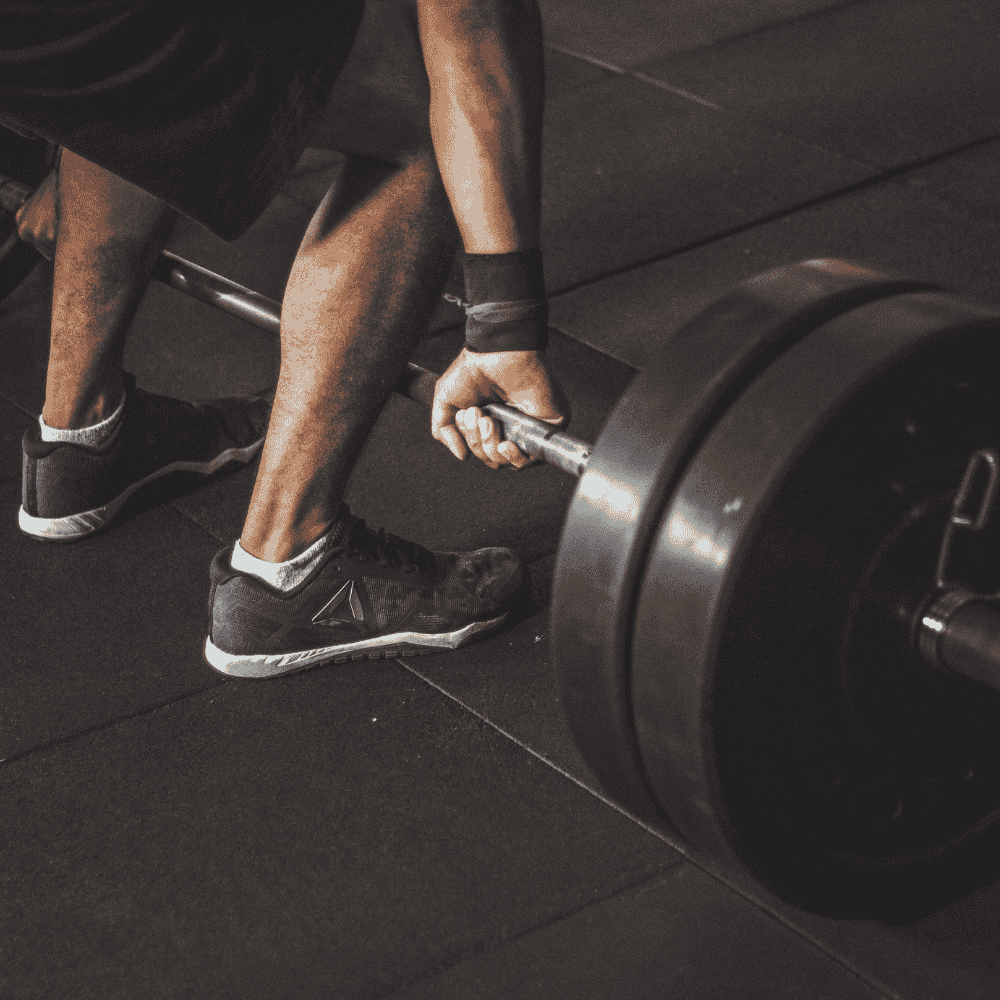
Trap Bar Deadlift: Safer Lifting, Bigger Gains
The trap bar deadlift, also known as the hex bar deadlift, is a game-changer for anyone looking to lift heavy with less stress on the spine and joints. Whether you're new to strength training or an experienced lifter refining your form, this movement is a smart, joint-friendly way to build serious power and muscle. What Is a Trap Bar Deadlift? A trap bar deadlift uses a trap bar (hex bar) — a six-sided barbell that allows you to stand inside it and grip the handles at your sides. This position places the load in line with your centre of gravity rather than in front of your body, as with a conventional barbell deadlift. The result? A more upright posture, reduced strain on the lower back, and improved overall form. See Product See Product See Product Trap Bar Deadlift Benefits 1. Reduced Risk of InjuryThe centred weight distribution helps maintain a more neutral spine, decreasing the chance of lower back injuries. 2. Better for BeginnersThe trap bar deadlift is easier to learn than the straight bar version. The handles encourage a natural grip and body alignment, making it ideal for those just starting out. 3. More Power, Less StrainThis variation allows most lifters to lift heavier weights due to improved mechanics and reduced stress on vulnerable joints. 4. Full-Body Strength DevelopmentAlthough it’s known for targeting the hamstrings and glutes, the trap bar deadlift also works the quads, back, forearms, and core — offering excellent total-body activation. How to Perform a Trap Bar Deadlift Set Up the Bar: Load your preferred trap bar weight and step inside the bar. Stance: Feet shoulder-width apart, toes slightly pointed out. Grip: Reach down to grab the side handles. Keep your chest up and shoulders back. Brace: Engage your core and maintain a straight spine. Lift: Drive through your heels to lift the bar. Extend your hips and knees at the same time. Lockout: Stand tall without leaning back. Pause briefly, then lower the bar under control. Trap Bar Deadlift vs. Conventional Deadlift While the conventional deadlift puts more emphasis on the posterior chain and requires more mobility, the trap bar deadlift is generally safer and more accessible. It's often recommended for: Lifters with a history of lower back pain. Athletes focusing on power and jump training. Anyone training at home with limited mobility or space. See Product See Product Variations to Try Elevated Trap Bar Deadlift – Stand on a platform for deeper range of motion. Deficit Trap Bar Deadlift – Great for hamstring activation. Heavy Trap Bar Carries – For grip and core strength, Common Mistakes to Avoid Rounding the lower back. Pulling with the arms instead of pushing with the legs. Leaning too far forward. Lifting with too much weight too soon. Ready to Lift Smarter? The trap bar deadlift is a safer, more efficient way to build strength and resilience in your body. It pairs perfectly with other hex bar movements like the trap bar squat or trap bar shrugs for a complete, effective workout. See Product
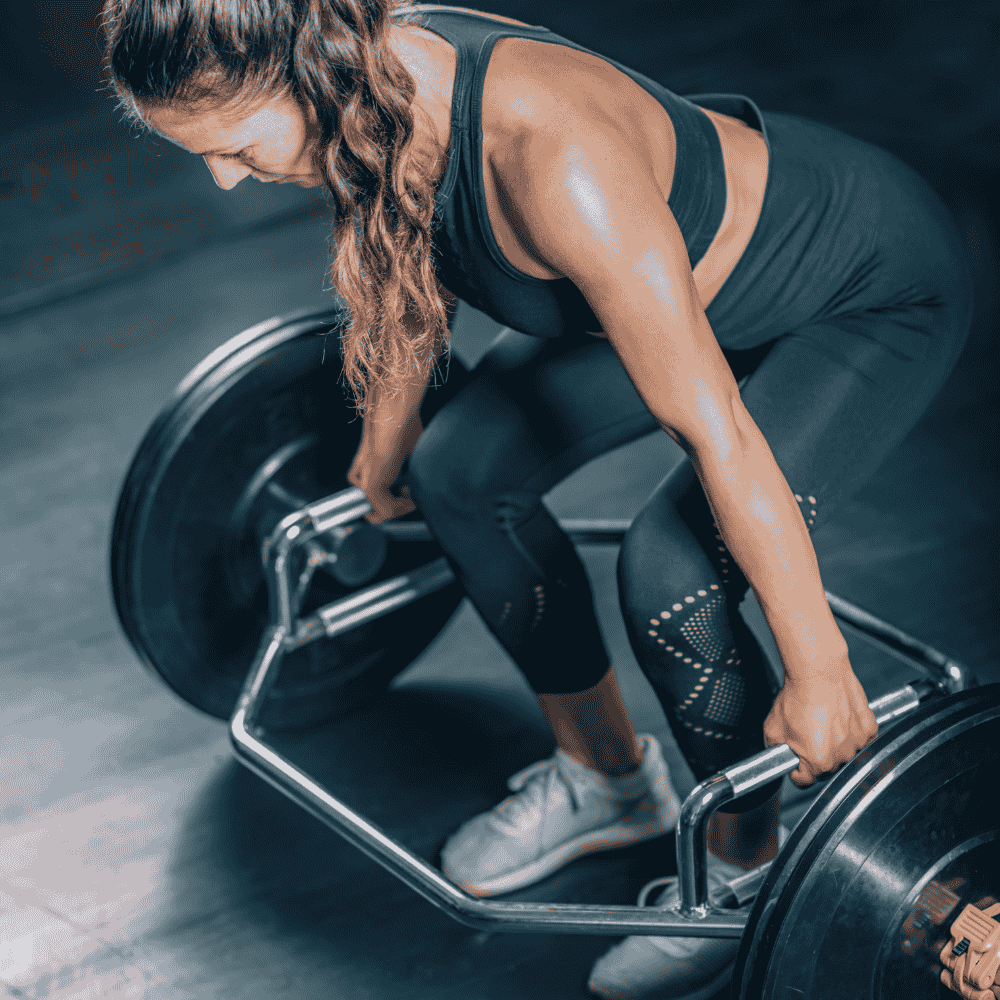
Trap Bar Squat: Form, Benefits & How to Get Started
The trap bar squat, sometimes referred to as a hex bar squat, is a powerful alternative to traditional barbell squats. It offers a more natural stance, reduces strain on the lower back, and helps lifters of all levels develop lower body strength and confidence. Whether you're building a home gym or enhancing your current training routine, the trap bar squat deserves a place in your workout plan. What Is a Trap Bar Squat? A trap bar squat is performed using a trap bar (or hex bar) — a hexagonal-shaped barbell that you step inside. Instead of placing a barbell across your shoulders, you grip the handles at your sides. This positioning shifts the weight distribution, allowing you to maintain a more upright torso while squatting. See Product See Product Benefits of Trap Bar Squats 1. Improved Posture and Reduced Back StrainOne of the biggest advantages of the trap bar squat is the upright body position it encourages. Unlike back squats that can load the spine heavily, trap bar squats keep the weight centred, easing pressure on the lower back. This makes them ideal for people with back issues or mobility limitations. 2. Beginner-Friendly MechanicsWith handles at your sides and a more balanced load, the trap bar squat is easier to learn than conventional squats. Beginners often find it more intuitive and less intimidating. 3. Joint-Friendly MovementThe neutral grip and natural positioning help reduce strain on the knees and hips, making it a safer option for lifters dealing with joint discomfort. 4. Versatile for Strength and PowerWhether you're building muscle, increasing athletic power, or improving overall fitness, trap bar squats can be tailored to your goals. Use heavier trap bar weight for strength, or incorporate tempo and volume for endurance and hypertrophy. How to Do a Trap Bar Squat (Step-by-Step) Set Up: Place your trap bar flat on the ground and load your desired weight. Step inside the bar so your feet are hip-width apart and centred. Grip: Reach down and grab the handles firmly. Keep your chest up and shoulders back. Brace: Engage your core and keep your spine neutral. Squat: Push your hips back slightly, then bend your knees to lower into a squat. Keep the movement controlled and your chest lifted. Drive Up: Push through your heels to return to standing, squeezing your glutes at the top. See Product See Product Common Mistakes to Avoid Rounding the Back: Always keep a strong, neutral spine. Lifting the Heels: Your feet should stay flat and grounded throughout. Knees Caving In: Keep your knees in line with your toes for proper alignment. Trap Bar Squats vs. Other Squat Variations While barbell back squats load the spine and challenge the posterior chain, trap bar squats offer a more balanced lift with less risk of form breakdown. They also allow for easier transitions into trap bar deadlifts and trap bar shrugs, making them a versatile option in any training plan. Who Should Use Trap Bar Squats? Beginners looking for a safe, simple way to build strength. Lifters recovering from injury. Athletes who want to increase lower-body power with reduced joint stress. Home gym users wanting a multipurpose tool for squats, deadlifts, and more. Build Your Home Strength Routine with KEFL Trap bar squats are just the beginning. Whether you're aiming to master the trap bar deadlift or integrate a complete trap bar workout, KEFL offers a full range of trap bars (hex bars) to support your goals. See Product See Product